Pikey Trekking

  • Duration 6
  • Destination Nepal
  • Trip Grade Moderate
  • Starts at Kathmandu
  • Ends at Kathmandu
  • Meals Breakfast/Lunch/Dinner
  • Accommodation Teahouse,Lodge
  • Max. Altitude 4,065 m
  • Activity Trakking
  • Group Type Traveller
  • Group Size 1-15
  • Best Season Autumn (September to November)
Highlights

The Pikey Peak Trek may be shorter and less technically demanding than other Himalayan routes, but it packs an incredible punch.

Here are the absolute highlights that make this trek standout:

1. The Legendary 8,000-Meter Sunrise Panorama

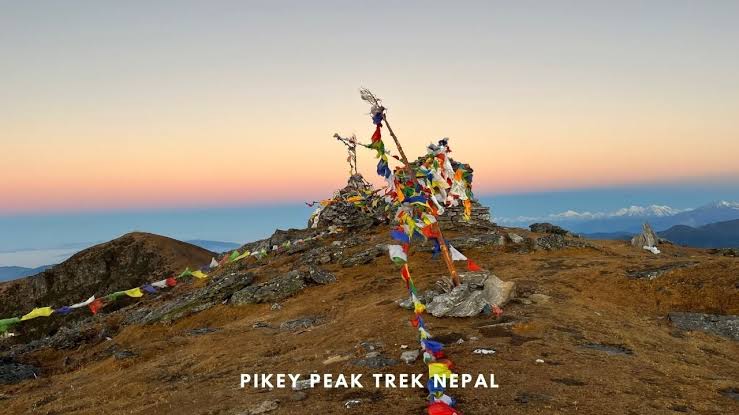
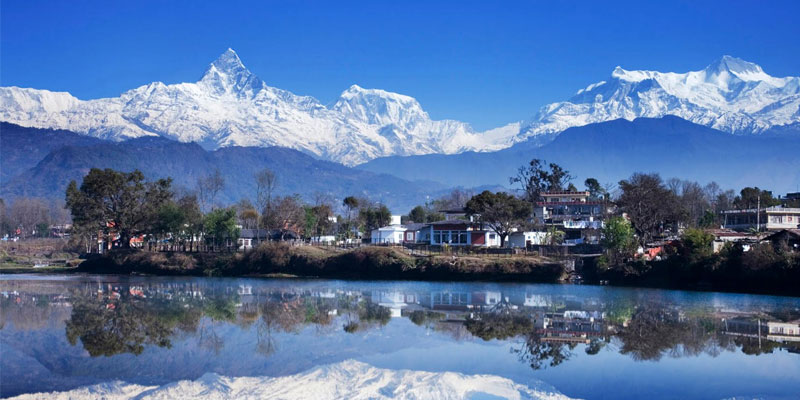
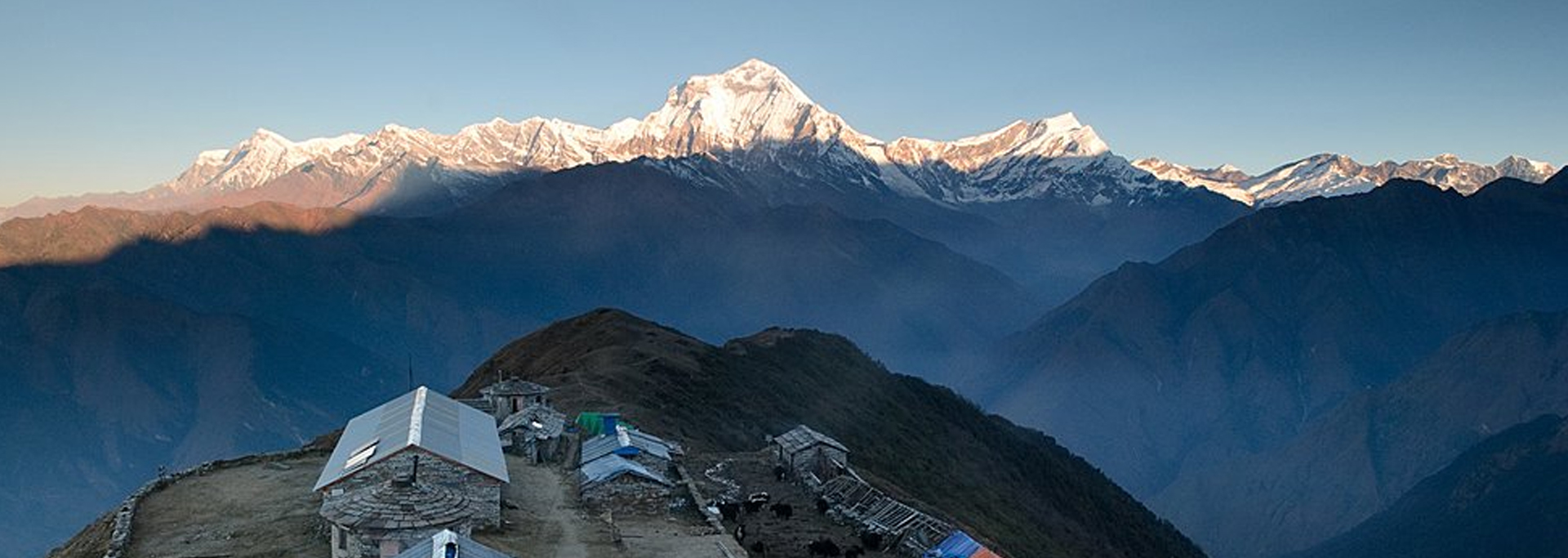
The ultimate crown jewel of the trek is standing at the summit of Pikey Peak (4,065m) at dawn. Because it sits slightly south of the main Himalayan wall, it acts as a perfect viewing balcony.

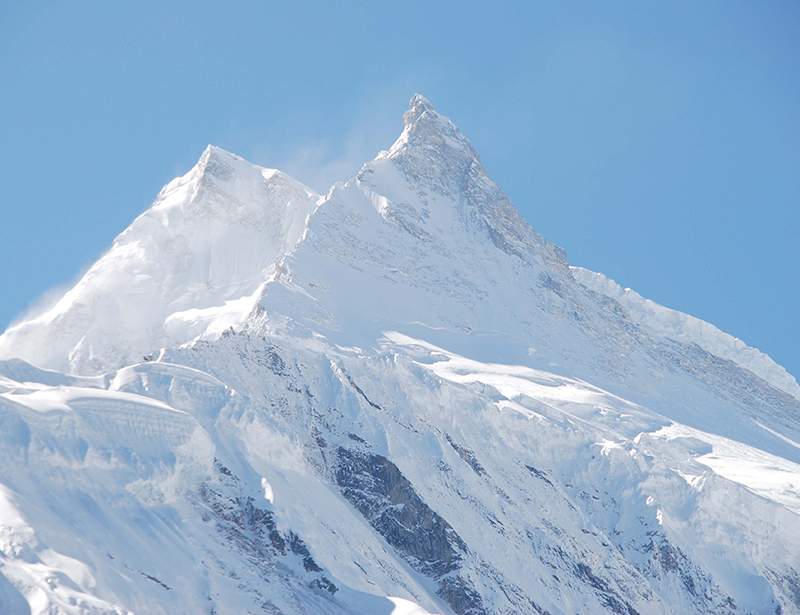
You can look out across a massive chunk of the Himalayan range to spot seven distinct 8,000-meter peaks all at once: Mount Everest, Lhotse, Makalu, Kanchenjunga, Cho Oyu, Manaslu, and Annapurna.


2. Deep Immersion in Sherpa Culture

Unlike highly commercialized trails where teahouses can feel like standard hotels, the Lower Khumbu region maintains its authentic roots.

    • Junbesi Village: One of the most beautiful and historic Sherpa villages along the route. It’s filled with traditional stone houses, intricately carved wooden windows, and active apple orchards.

    • Ancient Monasteries: You will hike past sacred mani walls (stones carved with Buddhist mantras), stupas, and spinning prayer wheels. Nearby, the Thupten Chholing Monastery serves as a major tibetan Buddhist hub housing hundreds of monks and nuns.

3. Rhododendron Forests (In Spring)

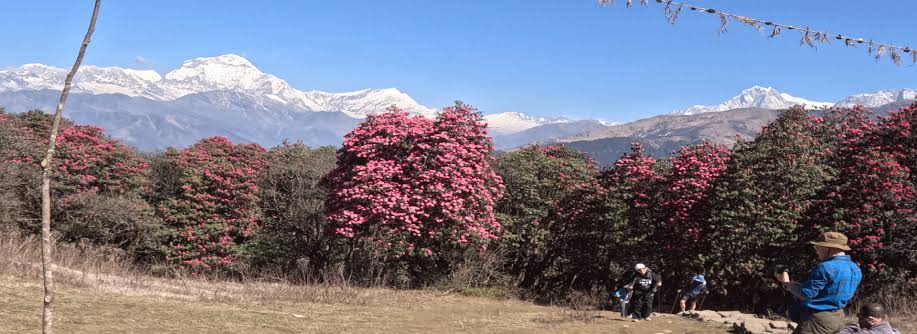
If you trek during March or April, the middle-altitude ridges of the trail transform completely. You’ll hike through dense, mossy forests of giant rhododendron trees (Lali Gurans—Nepal’s national flower) bursting into vivid shades of crimson, pink, and white against the backdrop of snow-capped mountains.

4. Bypassing the Lukla Flight

For many trekkers, a huge highlight is structural. You get premium Everest views without having to book the notoriously weather-dependent, expensive, and spine-chilling flight to Tenzing-Hillary Airport in Lukla. A rugged overland jeep ride from Kathmandu connects you directly to the trail.

5. Tasting Local Solukhumbu Delicacies

Because this region is known for agriculture and dairy production rather than just tourism, you’ll get to try food items that are genuinely unique to the area:

  • Chhurpi & Yak Cheese: Fresh, locally made hard and soft yak cheeses.

  • Apple Brandy & Cider: Junbesi and Phaplu are famous for local apple products.

  • Suja (Tibetan Butter Tea): A savory, warming tea churned with salt and yak butter—perfect for cold mornings.

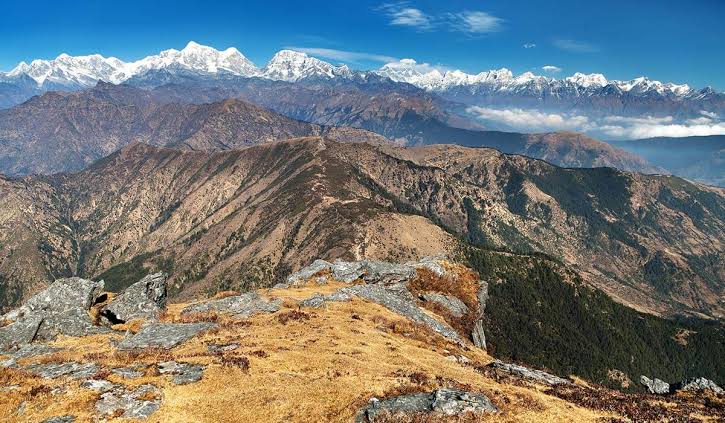
 

Pikey Trekking Overview

The Pikey peak Trekking is one of the most famous and adventurous trekking route of Nepal in the Solukhumbu District region. The name Pikey is derived by the name of Nepali Trekker community people. Pikey Peak trekking is the best to explore the Everest region trekking route from the Gokya valley. This trekking provides us the glimpse view of the East Himalaya range and various peaks such as Mt. Makalu, Mt. Kanchenjunga, Mt. Annapurna, and Mt. Lhotse. Mt. Mera Peak, Mt. Ama Dablam, and Mt. Everest. During the trekking, trekkers will have the great chance to evaluate the Sherpa culture, their religion, their living standard etc. During the trekking route, the trail passes through the Sherpa people settlement as well as the visit of the traditional Buddhist monastery. From the top of pikey peak, we have the great chance to have the incredible view of sunrise and sunset. At the season of July to August the Sherpa community will be busy in performing their ritual and worshiping their clan goddess. This length begins through Jiri with the height of (4,068m.) This trekking is the best route to collect the different ideas and knowledge of Sherpa community people.

Day to Day Itinerary
Expand all

Catch a local or private jeep out of Kathmandu. The route winds past the Sunkoshi River and through countryside hills, dropping you at Dhap Bazaar to start your trek.

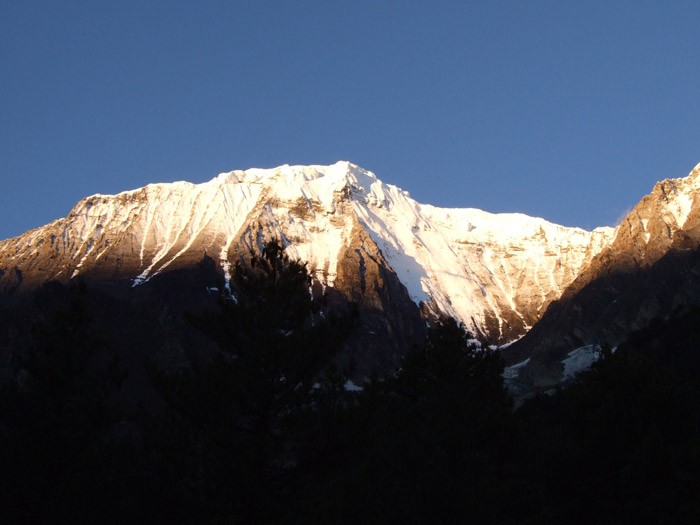
A relatively gentle first day on the trail. As you approach the charming Sherpa village of Jhapre, you get your first stunning glimpses of Numbur Himal standing tall over the valley.

The trail begins to climb along a grassy ridge toward Bhulbhule. You’ll pass ancient mani stone walls, old yak pastures, and deep rhododendron forests before arriving at Base Camp.

Wake up before dawn to hike up the western face of the peak. At the summit, you’re rewarded with a massive, uninterrupted sunrise panorama including Everest, Lhotse, Makalu, and Kanchenjunga. Afterward, descend into the historic Sherpa village of Junbesi.

A beautiful downhill day tracking through local village life, crossing suspension bridges, and exploring old Buddhist monasteries and gompas before reaching the vibrant hub of Phaplu.

Hop back into a jeep at Phaplu for the overland drive returning to Kathmandu, wrapping up the circuit.

Cost Includes
  • Permits & Paperwork: All necessary trail entry fees processed on your behalf.

    • Gaurishankar Conservation Area Permit (GCAP) and/or the Local Solukhumbu Regional Trek Card.

    • E-TIMS card (Digital Trekkers’ Information Management System).

  • Transport: Ground transportation from Kathmandu to the starting trailhead (Dhap Bazaar) and the return trip back to Kathmandu from Phaplu. This is usually via a shared or private 4WD jeep due to the rugged mountain roads.

  • Accommodation: Standard twin-sharing rooms in local Sherpa teahouses for the duration of the trail nights.

  • Meals: Three freshly prepared meals a day (Breakfast, Lunch, and Dinner) chosen from the teahouse menus while trekking, often accompanied by a cup of local tea or coffee.

  • The Guiding Team: Wages, meals, accommodation, equipment, and mandatory government insurance for a licensed, English-speaking trekking guide (and porters if specified in your contract).

Cost Excludes
  • Mandatory Travel Insurance: Your policy must specifically cover high-altitude trekking (up to 5,000 meters to safely clear Pikey’s 4,065m summit) and emergency helicopter evacuation.

  • Teahouse Luxuries: Small comfort fees charged directly by the lodge owners:

    • Hot bucket or gas showers.

    • Charging fees for phones, cameras, or power banks.

    • Wi-Fi access codes.

  • Personal Snacks & Beverages: Bottled water, boiled drinking water, soft drinks, alcohol (like local apple brandy), and trail snacks (chocolate, energy bars).

  • Kathmandu Expenses: Your hotel stay, city sights, and meals (lunch/dinner) while you are staying in Kathmandu before or after the trek.

  • Trekking Gear: Personal equipment like a -10°C rated sleeping bag, down jacket, sturdy trekking boots, and trekking poles (though these can easily be rented cheaply in Thamel).

  • Tips: A customary gratuity for your guide and porter at the end of the trek to show appreciation for their hard work.

Departure Dates
Useful Info

Here is a breakdown of the essential logistics, hidden rules, and practical ground realities you need to know to pull off the Pikey Peak trek smoothly.

1. Mandatory 2026 Trekking Rules

  • The Guide Mandate: The Nepal Tourism Board strictly enforces a “No Solo Trekking” rule for international hikers across most mountain regions. You are legally required to hire a licensed guide through a registered Nepali trekking agency to handle your route and check-ins.

  • Permit Requirements: You cannot just show up on the trail. You will need:

    • Gaurishankar Conservation Area Permit (GCAP): NPR 3,000 (~$21 USD).

    • TIMS Card (Trekkers’ Information Management System): NPR 2,000 (~$14 USD) for individual agency registration.

    • Local Solukhumbu Regional Fee: NPR 2,000 to 3,000 depending on the exact municipal checkpoints you cross.

2. Getting There: Transport Realities

Bypassing the Lukla flight means facing the reality of Nepalese highway and off-road driving:

  • The Route: Kathmandu to Dhap Bazaar takes about 7 to 9 hours depending on traffic and road conditions. The drive follows the smooth BP Highway up to Ghurmi, but once you cross the Sun Koshi river and head up into Lower Solu, the road transforms into a rough, unpaved dirt track.

  • Jeep Options:

    • Shared Jeep: Costs around NPR 2,500 to NPR 3,500 ($20–$25 USD) per seat. They depart early in the morning (around 4 AM to 6 AM) from Chabahil or Koteshwor in Kathmandu. It will be cramped and bumpy.

    • Private 4WD Jeep: Costs around $150 to $200 USD one-way. If you are traveling in a group of 4 to 6 people, splitting a private Scorpio or bolero jeep is highly recommended for safety and comfort.

3. Mobile Network & Navigation

Do not rely on consistent internet on this trail.

  • SIM Cards: Pack both an NTC (Nepal Telecom) and an Ncell SIM card if you can. Ncell works fine in the lower towns and during the drive, but NTC has far superior coverage on the high ridges and at Pikey Base Camp.

  • Navigation: Trail markings can sometimes get confusing where local paths diverge into yak pastures. Download the Maps.me or Gaia GPS Nepal map pack while you are still in Kathmandu. These apps use offline GPS and accurately track the Pikey circuit without needing any cellular data.

4. Typical Daily Routine & Cash

  • The Power Situation: Lodges rely heavily on solar energy. On rainy or cloudy days, power banks cannot be charged. Bring a high-capacity power bank (20,000mAh+) and keep it inside your sleeping bag at night—the cold drains lithium batteries rapidly.

  • Cash is King: There are absolutely no ATMs once you leave Kathmandu or Phaplu. Carry all your money in cash (Nepalese Rupees). Budget roughly NPR 3,500 to NPR 5,000 per day per person to safely cover your food, lodging, and luxury items like hot water or device charging.

The “Hidden” Luggage Tip: If you have extra suitcase items, city clothes, or laptops that you don’t need on the trail, do not haul them into the jeep. Every hotel or hostel in Thamel (Kathmandu) will store your excess bags safely for free until you return from your trek.


FAQs
  • No. Under the current civil regulations in Nepal, international tourists are mandated to hire a licensed trekking guide through an authorized agency for safety and registration. You cannot independently obtain the TIMS card or clear the rural municipality checkpoints without an agency backing your itinerary.

  • We handle all necessary paperwork before you depart. For the classic route, this includes:

    • TIMS Card (Trekkers’ Information Management System)

    • GCAP Permit (Gaurishankar Conservation Area Project)

    • Note: If your customized route dips closer to the main Everest highway, a local Khumbu Regional Fee is settled at the trail checkpoints.

  • Typically, a 30% non-refundable deposit is required to secure your jeep seats, guide assignments, and teahouse bookings. The remaining 70% balance can be paid upon arrival in Kathmandu before the trek officially starts.

  • It is graded as Grade 1 / Moderate. Unlike high-altitude passes, there are no vertical technical climbs, glacier crossings, or ropes required. If you can comfortably walk 5 to 7 hours a day on hilly terrain, you can complete this trek. Doing basic cardio exercises (running, cycling, or stair climbing) 3 weeks prior is highly beneficial.

  • Our guides are certified in wilderness first aid. If a trekker develops severe altitude sickness or gets injured, we coordinate an immediate descent to a lower elevation. For critical emergencies, we arrange a helicopter evacuation back to Kathmandu, which is why having travel insurance that covers up to 5,000 meters is strictly required.

  • Yes! You should only carry your trekking essentials on the trail. You can store your large suitcases, laptops, and city clothes securely at our office or your hotel storage locker in Kathmandu for free until you return.

You May Also LikeSimilar Itineraries
Mananslu Base Camp Trek – 17 days Featured
Mananslu Base Camp Trek – 17 days
Difficulty: Challanging 17 Days
Max. Height: 8,163 m

US $2,800USD

Upper Dolpo Trekking – 24 days
Difficulty: Challanging 24 Days
Max. Height: 5,375 m

US $6,500USD

Australin Camp Dhampus Trekking – 4Days
Difficulty: Moderate 4 Days
Max. Height: 2,100 meters

US $380USD

Khopra Trekking – 13Days
Difficulty: Moderate 13 Days
Max. Height: 3,660 m

US $900USD

Everest Three Passes Trekking – 23 Days
Difficulty: Hard 23 Days
Max. Height: 5,643 m

US $2,400DSD

Gokyo Lake-Cho La Pass-Everest Base Camp Trek – 18 days
Difficulty: Hard 18 Days
Max. Height: 5,545 m

US $2,000USD