.Guide Regulations
Nepal mandates that international trekkers must hire a licensed trekking guide for safety on most designated routes, including the Annapurna region. Going through a registered trekking agency ensures your E-TIMS card is properly issued and synced with a QR code system for real-time safety tracking.
.High-Altitude Caution
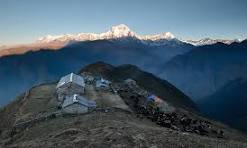
While the trek starts at lower elevations, Khopra Ridge climbs up to 3,660 meters, and the optional hike to Khayer Lake pushes up significantly to 4,660 meters.
-
Acclimatization: Spend a full day/two nights at Khopra Ridge before attempting to ascend to Khayer Lake.
-
Hydration: Drink 3 to 4 liters of water daily. Avoid alcohol entirely while ascending to reduce the risk of Acute Mountain Sickness (AMS).
-
Packing Emergency Prep: Ensure your travel insurance policy explicitly covers emergency helicopter evacuation up to 5,000 meters—standard policies often cap out at 3,000 meters.
. Trail Amenities & Practical Realities
Because this is a community-driven trail rather than a heavily commercialized highway, the rules of comfort are slightly different:
-
Cash is King: There are absolutely no ATMs past the main road. Daily on-trail personal expenses (snacks, hot water, showers) average NPR 3,000 to 4,500 ($25–$35 USD) per day. Carry everything in Nepalese Rupees (NPR).
-
Power & Connectivity: Electricity is largely solar-dependent at higher camps like Chistibung and Khopra Danda. Teahouses charge NPR 200–400 ($1.50–$3 USD) just to charge your phone or power bank.
-
Water: Avoid buying plastic bottled water to protect the ecosystem. Bring a reusable bottle along with water purification tablets or a filter (like a Sawyer Squeeze or Lifestraw). Lodges also sell safe, boiled water for a small fee.
. Best Times to Go
-
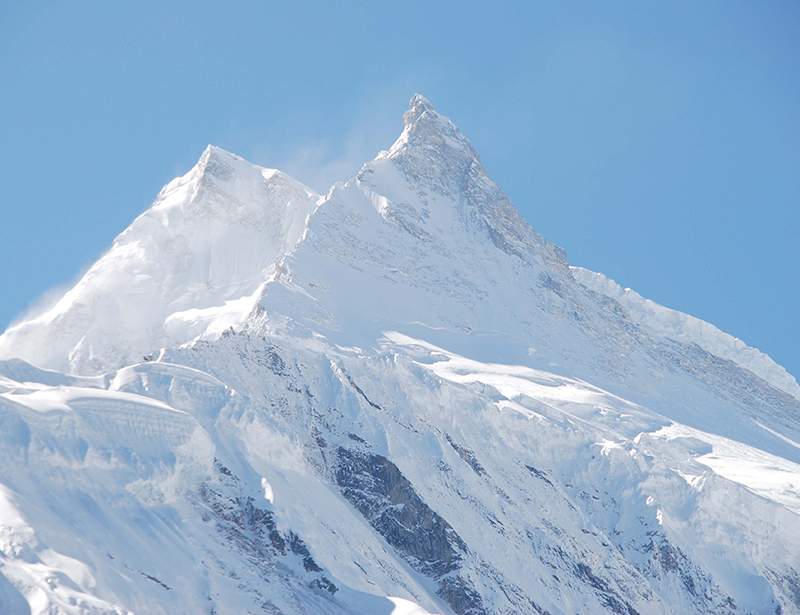
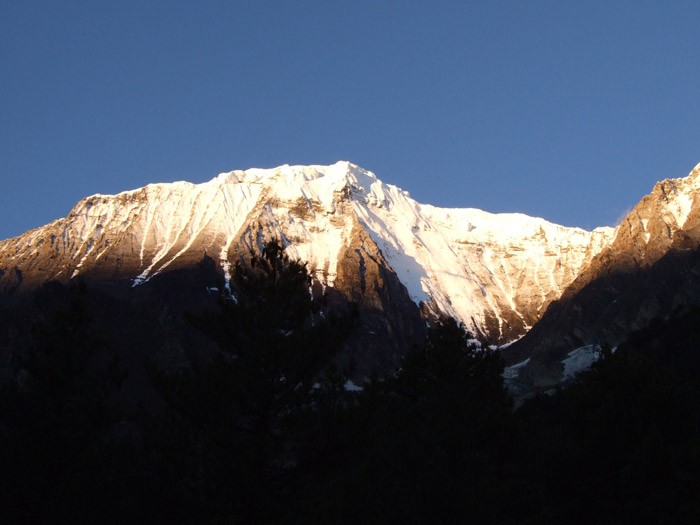
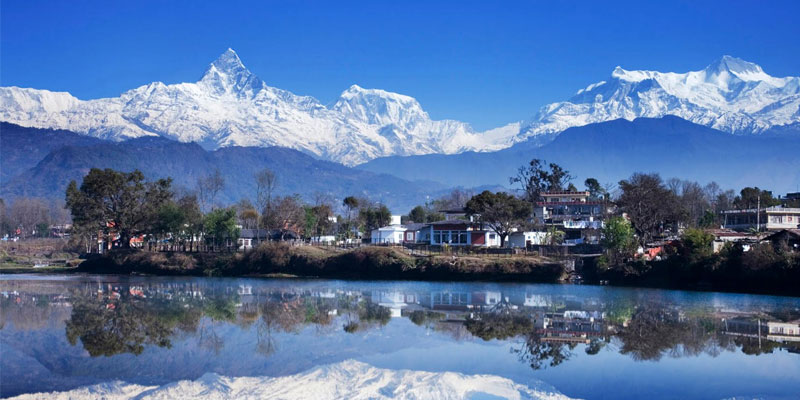
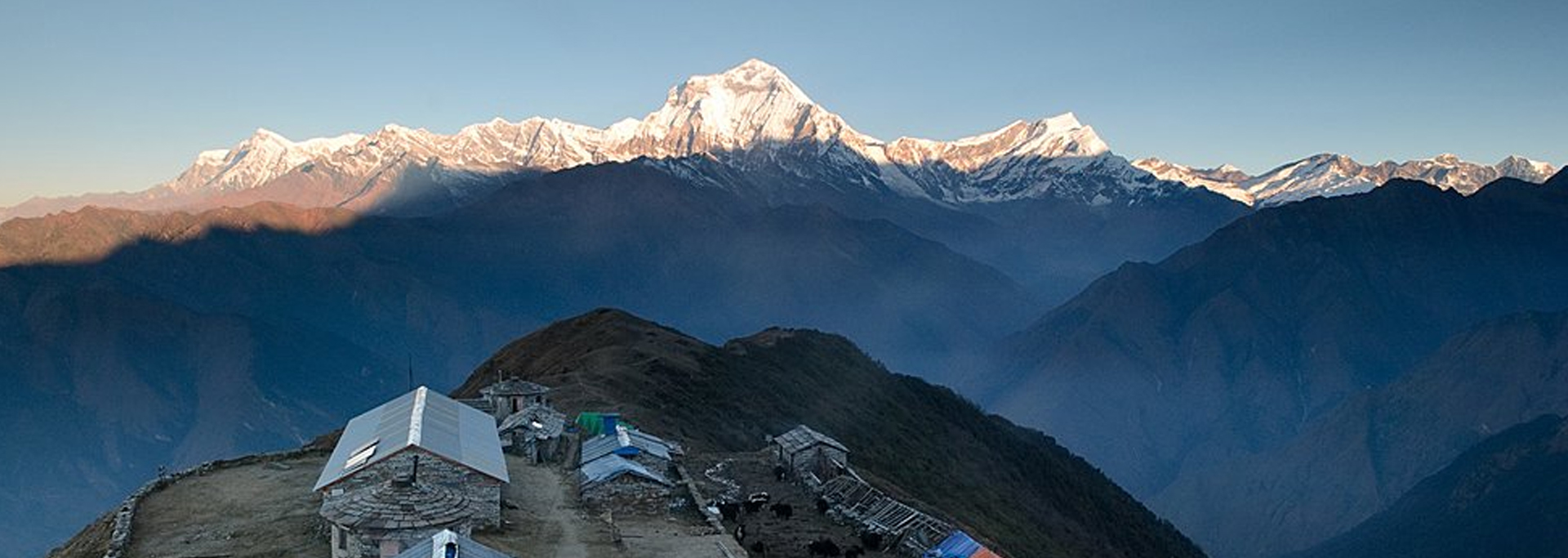
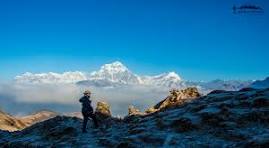
Autumn (September to November): The absolute clear-sky window. The monsoon rains have cleared the air, leaving sharp, crisp panoramic views of Dhaulagiri and Annapurna.
-
Spring (March to May): The weather is warmer, and the lower sections of the trail transform completely as the rhododendron forests erupt in vibrant shades of red and pink.

 Have Questions?