Gokyo Lake Trek – 14 days

  • Duration 14
  • Destination Nepal
  • Trip Grade Moderate
  • Starts at Kathmandu
  • Ends at Kathmandu
  • Meals Breakfast/Lunch/Dinner
  • Accommodation Teahouse,Lodge
  • Max. Altitude 5,420 m
  • Activity Trekking
  • Group Type Treckers
  • Group Size 1-15
  • Best Season Autumn (September to November)
Highlights

The Gokyo Lake Trek is packed with scenery that many hikers consider even more visually stunning than the standard Everest Base Camp route.

Here are the absolute highlights of the journey:

1. The Six Sacred Gokyo Lakes

The defining feature of the trek is the system of six high-altitude, glacial lakes situated between  4,700 m and  5,000 m . Looking at the intense, milky turquoise water sitting right next to stark mountain walls is an unforgettable experience. Gokyo village sits beautifully right on the edge of the third lake (Dudh Pokhari).


2. The Panoramic View from Gokyo Ri 5,357 m 

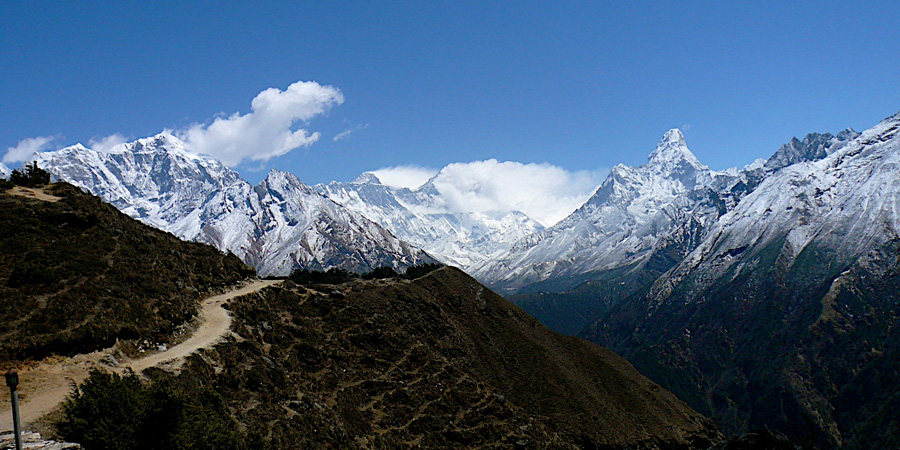
While the climb up this rocky peak is a grueling, steep switchback, the summit offers arguably the best viewpoint in the entire Khumbu region. Unlike Kala Patthar (where Everest is partially blocked), Gokyo Ri gives you an unhindered, wide panoramic look at four of the world’s 14 highest peaks simultaneously: Mount Everest, Lhotse, Makalu, and Cho Oyu.


3. The Massive Ngozumpa Glacier

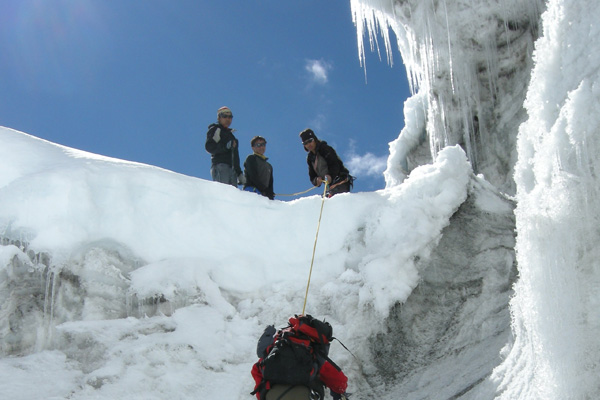
You will walk alongside and eventually cross the Ngozumpa Glacier, which is the longest glacier in the entire Himalayas. Listening to the deep, occasional cracking sounds of the moving ice mass beneath the moraine gravel gives you a true sense of the raw power of nature.

4. A Quieter, More Peaceful Trail

Because the vast majority of tourists stick to the classic Everest Base Camp highway, the trail splitting off toward the Gokyo Valley sees significantly fewer trekkers. You get to experience a more tranquil, pristine alpine wilderness, quieter teahouses, and a peaceful intimacy with the mountains.

5. Classic Khumbu Experiences

Before branching off into the quiet valley, you still get to experience the legendary highlights of the lower Everest trail:

  • The thrilling mountain flight into Lukla Airport.

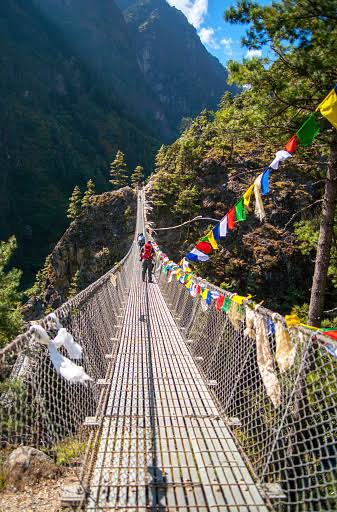
  • Crossing the high, swinging suspension bridges draped in prayer flags.

  • Spending acclimatization days exploring the vibrant market hub of Namche Bazaar.

  • Immersing yourself in the local Sherpa culture and visiting ancient monasteries.


Gokyo Lake Trek – 14 days Overview

The Gokyo Lake Trek is a spectacular, high-altitude alternative to the classic Everest Base Camp route, winding deep into the pristine Khumbu region through the scenic Gokyo Valley. Spanning roughly 92 to 110 kilometers over 11 to 14 days, the journey kicks off with a thrilling, scenic flight from Kathmandu to the mountain airstrip of Lukla. From there, you trail along the rushing Dudh Koshi River and pass through vibrant, pine-scented forests before ascending the steep path to the iconic Sherpa capital of Namche Bazaar. After a mandatory acclimatization break to adapt to the thinning air, the trail branches away from the bustling main highway toward quieter alpine paths, guiding you past traditional settlements like Dole and Machhermo.

The real magic unfolds as you ascend above 4,700 meters and encounter the crown jewel of the trek: the dazzling, turquoise-blue Gokyo Lakes. Formed by a system of six high-altitude, glacial-fed freshwater bodies, these vibrant waters sit beneath towering snow-capped peaks and right next to the massive Ngozumpa Glacier, the longest glacier in the Himalayas. The undeniable highlight of the adventure is a demanding, steep push up to the rocky summit of Gokyo Ri ($5,357\text{ m}$). From this breathtaking vantage point, you are rewarded with a legendary 360-degree panorama of four of the world’s fourteen 8,000-meter giants: Mount Everest, Lhotse, Makalu, and Cho Oyu. Offering a perfect blend of rich Sherpa culture, serene wilderness, and fewer crowds, the trek stands as a moderately challenging yet immensely rewarding journey for physically fit trekkers looking to experience the true majesty of the Himalayas.

Day to Day Itinerary
Expand all

Cost Includes
  • All airport transfers
  • 2 star Hotel in Kathmandu for 3 nights with breakfast
  • Flights Kathmandu–Lukla–Kathmandu (Weight limit:10 kg main baggage and 5 kg hand per passenger/flight)
  • All airport taxes
  • All necessary paper work and trekking permits (National Park permit and TIMS)
  • An experienced English-speaking Govt. registered trekking guide and local porters to carry luggage (2 trekkers: 1 porter)
  • Guide and porter salaries, insurance, equipment, transport, food and lodging
  • Full meals (Breakfast, Lunch and Dinner) followed by cup of Tea/Coffee during the trek
  • Supplementary snacks (cookies and energy bar)
  • Fruit desert every day after dinner
  • Iodine/Chlorine treated safe drinking water
  • A comprehensive medical kit
  • All government and local taxes
  • Trekking equipment such as down filled sleeping bag, down jacket, walking poles and duffel bag
Cost Excludes
  • Lunch/dinner in Kathmandu
  •  Kathmandu city Tour guide and entrance fees
  • Deserts (cakes, bakes, pies and pudding) 
  • Additional hot drinks
  • Bottled drinks
  • Boiled water
  • Electronic device re-charge
  • Hot shower
  • Wi- Fi
  • Personal expenses
  • Travel insurance and evacuation insurance
  • Tipping
Departure Dates
Useful Info

Meals

Eating is a big part of Holiday. Travelling with Himalaya Message Adventure, you experience the vast array of wonderful food Nepalese, Chinese, Continental, Italian and several local cuisines. Breakfast, Lunch & Dinner are included in the package. Your guide will suggest delicious, hygienic and each place special food during your trip. Mountain restaurant owner prefer not to order many dishes and waste food as they would like to cater more trekkers with limited food before run off stuck. Its a week or more days hard work to porters and caravans to bring food to these places. During this trek you will usually have breakfast and dinner at the same Lodge, lunch will be eaten at one of the trail side restaurants en-route.

Drinking water:

Himalaya Message Adventure provides unlimited chlorine/Iodine treated water during the trek. All tea houses have mineral water and boiled water for trekkers upon additional cost. We discourage the purchase of Mineral water and bottled water while on the Trek as plastic bottles aredifficult to dispose off and have become an environmental problem

What to take

This is a very active trip, meaning you will be on the move most of the time, so pack as lightly as possible. We provide one porter for every two travellers; your trekking gear will be carried by the porter in a duffel bag that we will provide. The maximum the porters are allowed to carry 15 kgs per trekker means 30 kgs from 2 trekkers . Unnecessary luggage can left in Kathmandu Hotel and its absolutely free of cost. .

Important to note:

Please read the Checklist section of this trip notes for additional details of what you need to bring for the trek on this trip. You will need to bring a comfortable medium sized day pack to carry the things that you will need during the day. This should have a waist strap or (better) a padded waist belt. The weather is subject to change in high altitude so layered clothing is recommended throughout the year.

FAQs
    • Who will be leading my trek? Reputable companies use government-licensed, English-speaking local guides (often native to the Sherpa community). They are trained in first aid, high-altitude mountain safety, and recognizing the early symptoms of acute mountain sickness (AMS).

    • What are the guidelines for porter weight limits? Agencies enforce a strict limit of 20 kg to 25 kg (44 to 55 lbs) per porter, which is typically split between two trekkers (giving you a max allowance of 10 kg to 12.5 kg for your main duffel bag).

    • Is the food provided safe, and can I eat meat? Your package includes three meals a day at the teahouses. While kitchens serve meat, most trekking companies strongly advise sticking to a vegetarian diet (like the local staple, Dal Bhat) once you cross Namche Bazaar. All meat must be carried up by porters from lower elevations without refrigeration, drastically increasing the risk of food poisoning.

    • Does the company provide drinking water? No, agencies do not include unlimited bottled water in the base price due to environmental plastic restrictions and high costs up trail. They recommend bringing a reusable bottle along with water purification tablets, a UV sterilizer, or a built-in filtration bottle.

    • What happens if I get severely sick or injured?

      Your guide is in daily communication with the agency’s Kathmandu headquarters. If you display severe symptoms of AMS or suffer an injury, the guide will immediately coordinate a descent. In critical emergencies, the agency will arrange an emergency helicopter evacuation.

    • What are the strict travel insurance requirements?

      You must secure your own travel insurance before leaving. Trekking companies will verify your policy details before departure. The policy must explicitly cover medical evacuation up to an altitude of 5,500 meters (18,045 ft). Standard travel insurance policies usually cap out at 3,000 meters, so you will need a specific adventure/mountaineering rider.

    • Where do I leave my extra suitcases/non-trekking gear? You can safely store your excess travel luggage, clean clothes, and valuables for free at your hotel’s secured storage room in Kathmandu before heading out to the airport.

    • What is the cancellation policy if my Lukla flight is delayed? Weather delays at Lukla are incredibly common. Most agencies operate under a “Lifetime Deposit” or flexible booking policy where your deposit can be transferred to a future date or a different trek if flights are grounded for consecutive days. They recommend building 2 to 3 buffer days into your international travel plans to account for these potential mountain weather disruptions.

You May Also LikeSimilar Itineraries
Everest Three Passes Trekking – 23 Days
Difficulty: Hard 23 Days
Max. Height: 5,643 m

US $2,400DSD

Gokyo Lake-Cho La Pass-Everest Base Camp Trek – 18 days
Difficulty: Hard 18 Days
Max. Height: 5,545 m

US $2,000USD

Jiri Everest Base Camp Trekking – 23Days
Difficulty: Hard 23 Days
Max. Height: $5,545\text{ m}$

US $1,900USD

Everest panorama trek 10 Days
Difficulty: Moderate 10 Days
Max. Height: 3,860 m

US $1,400USD

Gokyo Lake Trek – 14 days
Difficulty: Moderate 14 Days
Max. Height: 5,420 m

US $1,400USD

Pikey Trekking
Pikey Trekking
Difficulty: Moderate 6 Days
Max. Height: 4,065 m

US $9,500USD