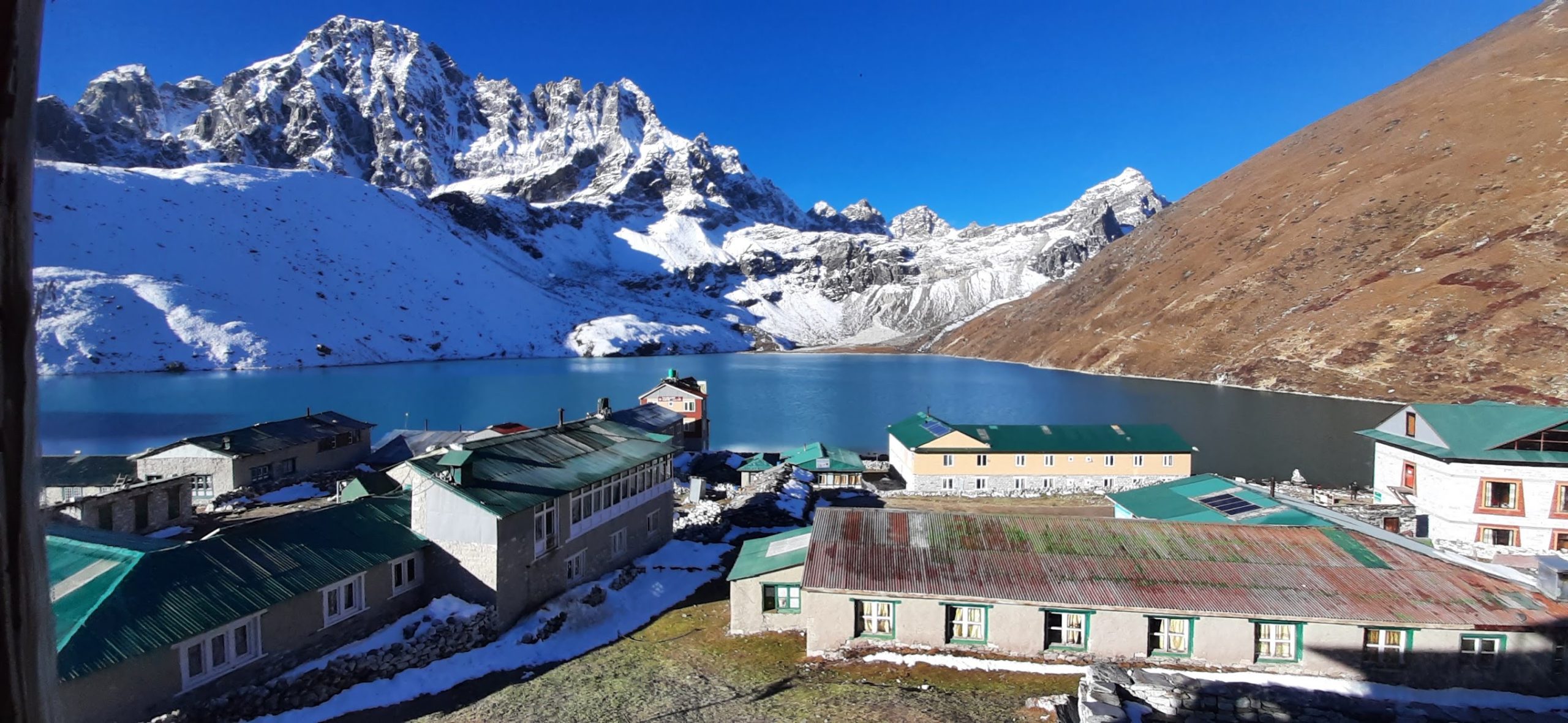
Khopra Trekking – 13Days

  • Duration 13
  • Destination Nepal
  • Trip Grade Moderate
  • Starts at Kathmandu
  • Ends at Kathmandu
  • Meals B/L/D
  • Accommodation Teahouse, Lodge
  • Max. Altitude 3,660 m
  • Activity Trekking
  • Group Type Friends
  • Group Size 1-15
  • Best Season Spring (March to May)
Highlights

1. The Khopra Danda Viewpoint (3,660 m)

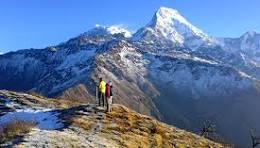
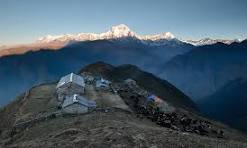
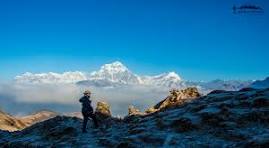
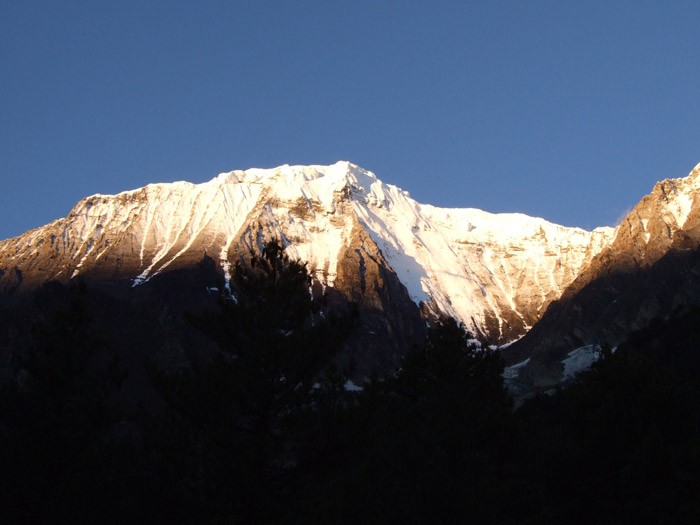
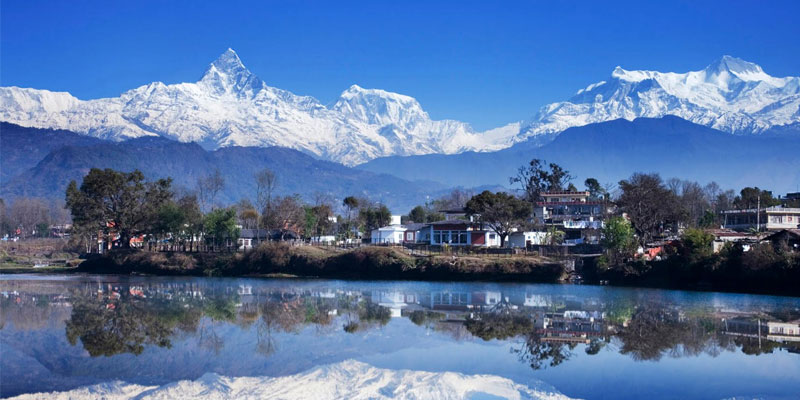
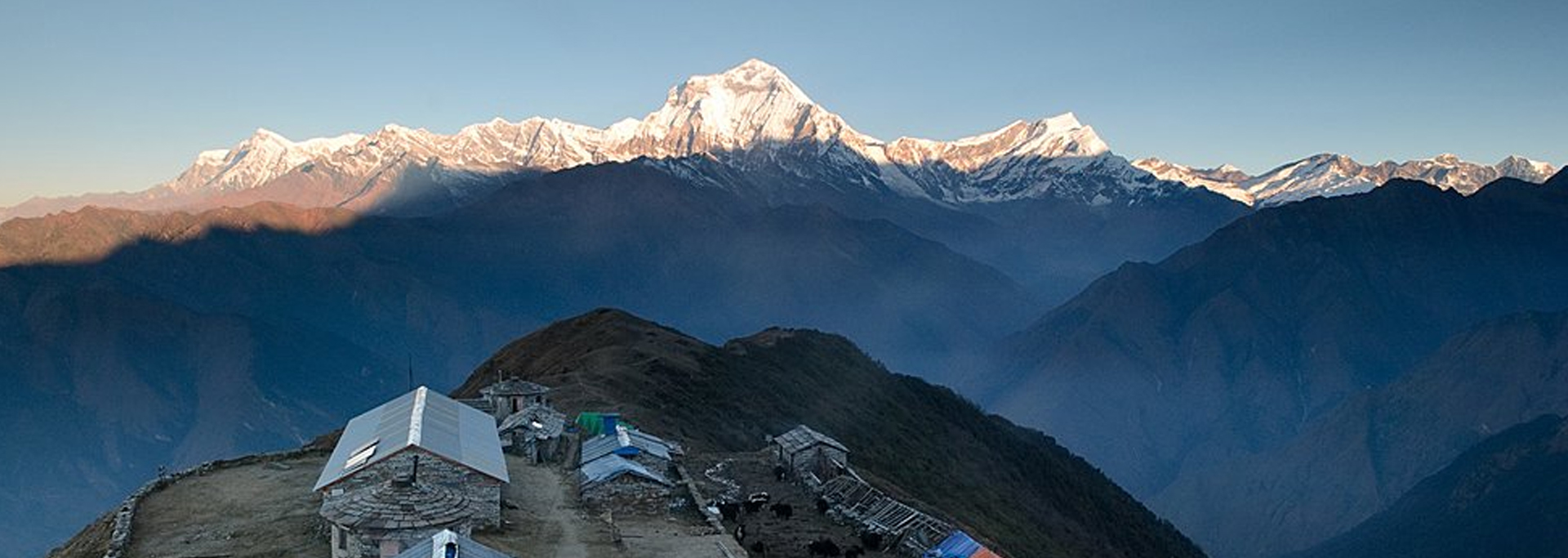
The main destination functions like a natural front-row balcony facing the towering peaks. Standing on the narrow ridge gives you an uninterrupted, panoramic view of the deep Kali Gandaki Gorge (the deepest gorge in the world) and two iconic 8,000 meter giants standing opposite each other.

  • Key peaks visible: Mt. Dhaulagiri (8,167 m), Mt. Annapurna I (8,091 m), Annapurna South, Nilgiri, Hiunchuli, and Machhapuchhre (Fishtail).

2. The Sacred Day Hike to Khayer Lake (4,660 m)

A challenging but deeply rewarding side trip from the ridge. This alpine lake sits peacefully right under the massive rock walls of Annapurna South. It is a highly revered Hindu pilgrimage site where devotees visit to pray, especially during the Janai Purnima festival in August.

3. Off-the-Beaten-Path & Crowdfree Trails

While nearby routes like Poon Hill or the Annapurna Base Camp can get congested during peak season, the Khopra trail branches off into a much quieter territory. You get the same world-class mountain views but share the forest paths and open ridges with far fewer trekkers.

4. Community-Based Teahouses

Instead of commercial lodges, you stay in teahouses built and run directly by the local communities (such as in Swanta and Chistibung). The profits from your food and accommodation go straight into maintaining village schools, building infrastructure, and funding community-run wireless internet projects.

5. Diverse Terrains and Culture

The trail transitions beautifully every day. You start by walking through classic, terraced farmland and dense oak and rhododendron forests, before climbing past the tree line into alpine pastures where yaks graze. Along the way, you pass through traditional Gurung and Magar villages, offering an authentic glimpse into the local mountain lifestyle.

Khopra Trekking – 13Days Overview

The Khopra Ridge (Khopra Danda) Trek is one of the finest hidden gems in the Annapurna region, offering a quieter, less-crowded alternative to popular routes like Poon Hill while delivering even closer, grander views of the Himalayas. Typically spanning 5 to 8 days from Pokhara, this moderate-to-challenging trail winds through terraced farmland, lush rhododendron and oak forests, and traditional Gurung and Magar villages like Ghandruk and Swanta. The definitive highlight is reaching the Khopra Ridge viewpoint at 3,660 meters, which acts as a natural balcony facing a jaw-dropping panorama of Dhaulagiri, Annapurna South, Nilgiri, and Machhapuchhre (Fishtail). For those looking for an extra challenge, the ridge serves as a base for a grueling but deeply rewarding day-hike to the sacred Khayer Lake at 4,660 meters, a pristine alpine lake sitting right at the foot of Annapurna South that holds immense spiritual significance for Hindu pilgrims.

Day to Day Itinerary
Expand all

After your arrival in Kathmandu, an airport representative of our member will be waiting outside with a signboard showing the company’s name to welcome you. Then we will transfer you with a private vehicle to the hotel you will be staying in overnight.


Today morning, your trek Leader and staff will join you at the hotel and our journey starts here. We will drive to Pokhara by jeep, taking about 25 minute. After reaching Pokhara, we will drive 3 hours Kimche and start trek  Ghandruk and stay in a lodge camp overnight. drive 8 to 9 hours then pokhara to drive by jeep, tourist bus depend if we fly Kathmandu to pokhara we will drive Kimche then start trek Ghaundrk (1,940m.) 2 to 3 hours.


Today From Ghaundrk trek to Tadapani (2,650m.) About 4 to 5 hours trekking then we stay overnight at Lodge camp.

Today from Ulleri trek to till Nayapul 3/4 hours then Nayapul to drive by Privet vehicles 2 hours about drive then we stay overnight at Hitel accommodation at Pokhara.


* Accommodation- Hotel camp during the trek three time meal and tea/coffee.)

Today you  fly/drive back to Kathmandu by tourist bus taking 6 to 7 hours. You can extend your period for various activities you are interested in to do. In the evening, we will have a farewell party in a traditional Nepali Restaurant along with cultural programs. You stay in a hotel in Kathmandu for the night.


* Accommodation- Hotel camp After this, we will enjoy your farewell dinner in a typical Nepali restaurant. At night, you will stay in your hotel.

Today is free or last minute you have few hour special shopping for your relatives.Himalayan Treks And Expedition will drop you to the International airportto catch your flight back to your home and wish for your Safe journey.

Cost Includes
  • Permits and Registrations: The required ACAP (Annapurna Conservation Area Project) permit and TIMS (Trekkers’ Information Management System) card.

  • Accommodation: Standard twin-sharing rooms in the community teahouses and local lodges along the trail.

  • Meals: Three meals a day (Breakfast, Lunch, and Dinner) during the actual days on the trek, usually accompanied by a hot cup of tea or coffee.

  • Guide & Porter Support: The salary, insurance, food, and lodging for a licensed, English-speaking trekking guide and porters to carry your heavy main bags (usually 1 porter for every 2 trekkers).

  • Ground Transportation: Public or private transport between Pokhara and the starting/ending trailheads (like Nayapul, Kimche, or Ghandruk).

  • First Aid: A basic medical kit carried by the guide, including essential medicines and oximeters to check oxygen levels.

Cost Excludes
  • nternational & Domestic Flights: Flights from your home country to Kathmandu, and the internal flight or tourist bus between Kathmandu and Pokhara.

  • Pokhara/Kathmandu Expenses: Hotel stays, lunches, and dinners before the trek starts and after it ends when you are in the cities.

  • Travel Insurance: A comprehensive policy is mandatory. It must explicitly cover high-altitude trekking up to 5,000 meters and emergency helicopter evacuation.

  • Teahouse Luxuries: Small everyday comforts that add up on the trail:

    • Hot showers (lodges charge around 2 to 4 USD$ per shower).

    • Wi-Fi access and electronic device charging fees (1$ to 3USD$ per device/day).

    • Bottled water, boiled water fees, sodas, and alcoholic drinks.

  • Personal Gear: Your trekking clothes, broken-in boots, sleeping bag, down jacket, and trekking poles.

  • Tips: Gratuities for your guide and porters at the end of the trip to show appreciation for their hard work.

Departure Dates
Useful Info

.Guide Regulations

Nepal mandates that international trekkers must hire a licensed trekking guide for safety on most designated routes, including the Annapurna region. Going through a registered trekking agency ensures your E-TIMS card is properly issued and synced with a QR code system for real-time safety tracking.

 .High-Altitude Caution

While the trek starts at lower elevations, Khopra Ridge climbs up to 3,660 meters, and the optional hike to Khayer Lake pushes up significantly to 4,660 meters.

  • Acclimatization: Spend a full day/two nights at Khopra Ridge before attempting to ascend to Khayer Lake.

  • Hydration: Drink 3 to 4 liters of water daily. Avoid alcohol entirely while ascending to reduce the risk of Acute Mountain Sickness (AMS).

  • Packing Emergency Prep: Ensure your travel insurance policy explicitly covers emergency helicopter evacuation up to 5,000 meters—standard policies often cap out at 3,000 meters.

. Trail Amenities & Practical Realities

Because this is a community-driven trail rather than a heavily commercialized highway, the rules of comfort are slightly different:

  • Cash is King: There are absolutely no ATMs past the main road. Daily on-trail personal expenses (snacks, hot water, showers) average NPR 3,000 to 4,500 ($25–$35 USD) per day. Carry everything in Nepalese Rupees (NPR).

  • Power & Connectivity: Electricity is largely solar-dependent at higher camps like Chistibung and Khopra Danda. Teahouses charge NPR 200–400 ($1.50–$3 USD) just to charge your phone or power bank.

  • Water: Avoid buying plastic bottled water to protect the ecosystem. Bring a reusable bottle along with water purification tablets or a filter (like a Sawyer Squeeze or Lifestraw). Lodges also sell safe, boiled water for a small fee.

. Best Times to Go

  • Autumn (September to November): The absolute clear-sky window. The monsoon rains have cleared the air, leaving sharp, crisp panoramic views of Dhaulagiri and Annapurna.

  • Spring (March to May): The weather is warmer, and the lower sections of the trail transform completely as the rhododendron forests erupt in vibrant shades of red and pink.

FAQs
    • What happens if I need to cut the trek short?

      If you must descend early due to fatigue, illness, or personal reasons, the company will arrange an assistant guide or porter to escort you down safely. However, note that agencies do not refund unused days of the itinerary (for food, teahouses, or staff days), as those resources were booked and paid for in advance.

    • Can I hire just a guide/porter rather than a full package?

      Yes, most agencies offer a “service-only” contract where you pay a daily rate for staff (approx. $25–$40 USD/day for a guide; $18–$25 USD/day for a porter). In this setup, you are responsible for paying out-of-pocket for your own food, room, and trail expenses along the way.

    • Are tips included in the package price?

      No. Tips are considered a personal token of appreciation and are highly valued by the crew. A standard baseline across the industry is budgeting $5 to $10 USD per day for your guiding team, usually presented in a tipping pool at the end of the trek.

    • What is the company’s protocol for Altitude Sickness (AMS)?

      Guides are trained to monitor your blood oxygen saturation levels daily using pulse oximeters. If you show progressive symptoms of AMS (severe headache, vomiting, loss of coordination), the guide has the absolute authority to halt your ascent or order an immediate descent to a lower altitude.

    • How are emergency helicopter evacuations handled?

      If a medical emergency or severe altitude sickness occurs, the guide will coordinate with the company’s Kathmandu or Pokhara base office via satellite/mobile network to deploy a rescue helicopter. The helicopter will not launch until your travel insurance provider confirms coverage approval, which is why uploading a policy that explicitly covers high-altitude search and rescue up to 5,000 meters to the agency portal beforehand is non-negotiable.

You May Also LikeSimilar Itineraries
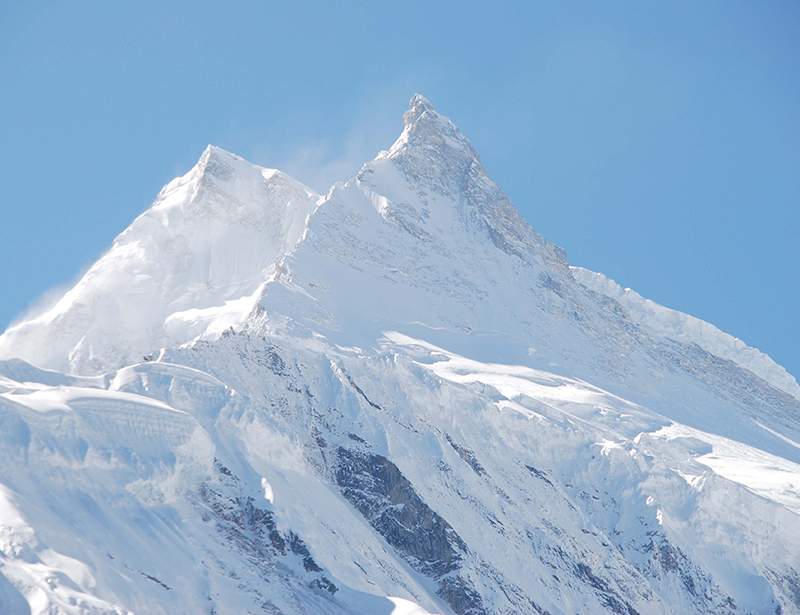
Mananslu circuit  16 days trek Featured
Mananslu circuit 16 days trek
Difficulty: Challanging 17 Days
Max. Height: 8,163 m
Upper Dolpo Trekking – 24 days
Difficulty: Challanging 24 Days
Max. Height: 5,375 m

US $6,500USD

Australin Camp Dhampus Trekking – 4Days
Difficulty: Moderate 4 Days
Max. Height: 2,100 meters

US $380USD

Khopra Trekking – 13Days
Difficulty: Moderate 13 Days
Max. Height: 3,660 m

US $900USD

Everest Three Passes Trekking – 23 Days
Difficulty: Hard 23 Days
Max. Height: 5,643 m

US $2,400DSD

Gokyo Lake-Cho La Pass-Everest Base Camp Trek – 18 days
Difficulty: Hard 18 Days
Max. Height: 5,545 m

US $2,000USD