Naya Kanga Peak Climbing(5,844m)-14 Days

  • Duration 13
  • Destination Nepal
  • Trip Grade Pretty hard
  • Starts at Kathmandu
  • Ends at Kathmandu
  • Meals Breakfast/Lunch/Dinner
  • Accommodation Tea house,Lodge
  • Max. Altitude 5,844m
  • Activity Peak Climbing
  • Group Type Peak Climbers
  • Group Size 1-12
  • Best Season Autumn (September to November)
Highlights

A True Alpine Summit Success

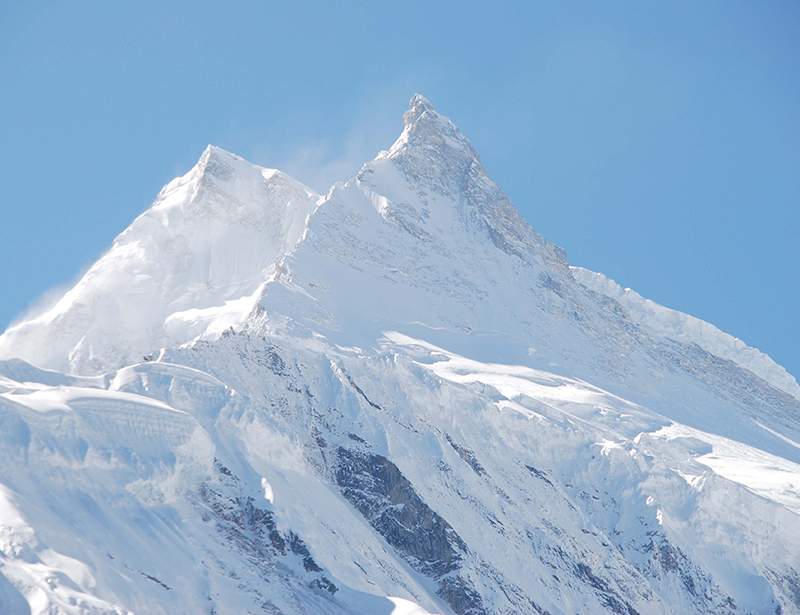
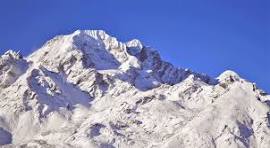
Standing on the summit at 5,844 m  delivers a massive sense of accomplishment. Because it is a technical ridge climb rather than a walk-up peak, reaching the top feels like a earned mountaineering victory. The panoramic reward includes front-row seats to Langtang Lirung ( 7,227 m), Dorje Lakpa ( 6,966 m ), and a stunning view across the border into the snow-capped peaks of Tibet.

2. Exploring Langtang National Park

Before you ever touch snow, you trek through one of Nepal’s most pristine conservation areas. The lower trail winds through dense forests of oak, maple, and vibrant rhododendrons (which burst into deep reds and pinks if you climb in the spring). It is also home to elusive wildlife like the red panda, Himalayan tahr, and rhesus monkeys.

3. Deep Tamang Culture & Kyanjin Gompa

The journey is culturally rich, taking you through traditional stone-built Tamang villages like Langtang Village and Kyanjin. You get to experience the warm hospitality of the local Buddhist communities, spin prayer wheels along the trail, and visit Kyanjin Gompa, a deeply spiritual, centuries-old monastery nestled dramatically under a amphitheater of ice-clad peaks.

4. Tasting Fresh Local Yak Cheese

A famous, delicious highlight right in Kyanjin Valley is the historic Kyanjin Yak Cheese Factory (supported by Swiss expertise back in the 1950s). You can walk right in, see how the cheese is traditionally made from pure yak milk, and buy fresh, sharp blocks to fuel your upcoming high-camp push.

5. High-Camp Nights & The Wild Ganja La Route

Camping at High Camp ( 4,950  m ) offers an unforgettable wilderness experience, sleeping in mountain tents surrounded by towering glaciers under a brilliant, unpolluted sky of stars. Furthermore, navigating the rugged Ganja La Pass ( 5,130 m ) adds a thrilling sense of raw exploration, as it is one of the less-traveled, wilder passes in the region.

Naya Kanga Peak Climbing(5,844m)-14 Days Overview

Naya Kanga Peak climbing offers a thrilling and accessible mountaineering adventure in the beautiful Langtang region of Nepal, standing at an elevation of 5,844 meters (also known as Ganja La Chuli). Positioned just north of Kathmandu, this spectacular trekking peak presents a rewarding challenge for climbers looking to gain alpine experience without venturing into extreme altitudes. The journey begins with a scenic trek through the dense rhododendron and bamboo forests of Langtang National Park, passing traditional Tamang villages and the spiritual hub of Kyanjin Gompa. The actual ascent involves navigating steep snow slopes, icy ridges, and crossing the demanding Ganja La pass, which requires essential mountaineering gear like crampons, ice axes, and fixed ropes. Reaching the summit rewards climbers with stunning, panoramic views of the Langtang Lirung, Dorje Lakpa, and even peaks across the border in Tibet, making it an ideal choice for adventurous trekkers looking to step up their game.

Day to Day Itinerary
Expand all

Once you reach Tribhuwan International Airport (TIA), we will heartily welcome you and take you to your hotel, in a private car or a high-end tourist bus. Later when you check-in, choice is yours, either explore the city on your own, or, to take some rest at your hotel.

The sightseeing trip starts from the hotel after breakfast. We will provide a private vehicle with professional tour guide. We will start the sightseeing tour from the largest Hindu temple Pashupatinath, then visit Bouddhanath and Swoyambhunath (the Monkey temple). At the end of the day, we will visit Kathmandu Durbar Square and then drive back to the hotel to prepare for the trip with a short briefing about the trek.

From capital, we will travel to small but old town of Syabrubesi. The view of hills and dwindling rivers will keep us mesmerized throughout the ride. The ride will be around seven to eight hours long. We will spend the night in a local lodge

We will now trek towards Lama hotel and the trek will be around 7 hours long through the main trial. We will walk through enchanting forests and reach our destination where we will spend the night in Lama hotel at altitude of 1,450m.

Today is an important day of the journey as we will make our way towards the Langtang village. After a delicious breakfast, we will continue our walk upwards for around six to seven hours along the main trial. We will walk through majestic rhododendron forests and on reaching we can go for exploration of the place. Night will be spent in Langtang village, in a lodge.

We will now move along to KyangjingGompa. We will trek for around five to six hours and then reach our destination. We can visit the local monastery on reaching KyangjingGompa. The night will be spent in a local guest house.

We will now trek towards Ganja La Phedi. After trekking for around 7 hours and get panoramic view on the lush green hills. We will spend the night here in a local teahouse.

Today is an important day as we trek to the base camp of this beautiful mountain. We will be rewarded with beautiful and splendid views on the panoramic mountains. We can spend the rest of the time to adapt to the environment. The night will be spent in a tented camp.

Today is the main day of the trek as we will conquer the peak. The climb will be just right amount of adventure and thrill to it. It is also the highlight of the whole journey. On reaching the top of the summit, we will spend some time there and climb down. From there we will now trek downhill to base camp. Journey will be around 8 hours long.

We will now trek downwards to Dukpu. It will take us around 5 hours. We can spend the evening resting after yesterday’s big day or go for exploration. The night will be spent in a local lodge.

We will now trek down to Tarkegyang. First we will descend and then ascend up. We will walk across magnificent forests of rhododendron, pine and others. We will spend the night at altitude of 2,740m.

From Tarkegyang we will mildly trek to Sermathang and will continue from there to small town of MelamchiPul Bazar. We will walk across meadows and forests. It will be a nice change to reach MelamchiPul Bazar. Night will be spent in a local tea house.

We will now get back to Kathmandu by bus. It will be around six to seven hours long. The bus ride will be pleasant as we can see the dwindling rivers and lush hills. We can spend the rest of the time exploring the vibrant city of Kathmandu.

On your final day, our staff will take you to the airport from where you’ll board a flight to your next destination. Taking lots of memories with you, make some plans to visit this amazing country again.

Cost Includes
  • Arrival in International Airport and Departure.
  • Hotel in Kathmandu
  • Entrance fee in National Park.
  • Climbing Peak Permit
  • Kathmandu to Syabrubensi, Syabrubensi to Kathmandu by Bus, Hiace and , Jeep
  • All camping Equipment, two men tents, Dining tent, Kitchen Tent and Mattresses during the Peak climbing.
  • Lodge and Camping Accommodation Breakfast, lunch, dinner in trekking and climbing period.
  • Climbing Sirdar, Sherpa, Cook, Kitchen staffs and porters.
  • Insurance for trekking & Climbing Staff.
  • Climbing equipments and Daily Salary for Staff.
  • Oxygen for Emergency Rescue.
  • Climbing Gears, Fix Rope, Main Rope, Snow Ball, Ice Crop, Rock Piton, High Tent, EPI Gas, EPI Head, Cooking Set etc.
Cost Excludes
  • Personal equipment for Climbing.
  • Personal travel Insurance.
  • Lunch & dinner in Kathmandu.
  • Emergency Rescue evacuation.
  • Personal expenses/Bar bills.
  • Tipping for Expeditions staff.
  • Alcoholic beverages and canned or bottled cold drinks.
Departure Dates
Useful Info

Fitness

Our 6,000m peaks are more challenging trips. Your tough level of fitness is really important for this trip; therefore we strongly suggest preparing yourself in good physical fitness level. You do not need to be an athlete, but a good level of overall fitness is important. Being fit will certainly improve your chances of reaching your chosen summit. As an indication, you should be able to walk 8 km / 5 miles with a maximum height gain of 800m/2,000ft with a 10kg rucksack in 5 hours or less.

In order to get ready for this challenge, you need to be trained at least for about 5 to 7 months to prepare yourself as strong candidate. You can go to fitness center every morning for about 2 hours, do hiking every weekend with increasing weights on your pack (i.e. 7kg, 10kg, 13 kg, 16kg and up to 20kg), manage some time for cycling for couple of hours for 3 or 4 times a week. However during climbing, there might be little symptoms of an altitude illness like mild headache, fatigue etc. but take it as normal and just drink a lot of water (4 – 5 liters) every day. On this trek, you need to be able to hike 6 – 10 hours over hilly terrain up to 6,000m of altitude with daypack.  On the summit push, extra effort is required walking on ice and climbing up to 10 – 12 hours. We will have porters to carry our heavy camping equipment, food and also the climbing gears.

Experience Required

All of our 6000m climbing trips are accessible to experienced trekkers and those who have done some climbing trips in European mountains in order to take another challenge on the Himalaya’s Mountains. This trip will be helpful if you want to gain some knowledge about the mountaineering and have future plan to climb BIG Mountains.

If you have any previous mountaineering experiences and well knowledge about how to play with mountaineering gears, good with rock climbing and ice climbing, will surely increase the chances of reaching the summit and also previous trekking and mountaineering experiences is mandatory but doesn’t require any technical experience. But if you are participating on one the technical climbing peak then you must have well knowledge about how to use the mountaineering climbing gears (i.e. crampon with boot, Ice axe, harness, ropes, jumars, prussiks, abseiling, moving past knots, anchor etc.). Crampons are use for maximum grip and harness and ropes are use for maximum safety during climbing. But for those who have no mountaineering experience and skill but have got tough level of fitness, , you will be have basic training session by our guides about how to use the climbing gears during rest/acclimatization day. So we always make it sure regarding the safety of the team and successful climb of the peak.

FAQs
  • Strictly speaking, no, you do not need a portfolio of past summits. However, Naya Kanga is not a walk-up trek. It involves sustained snow slopes and exposed ridges. You should have a foundational comfort with heights, excellent physical stamina, and a basic understanding of using gear like crampons, ice axes, and climbing harnesses. Most agencies provide a “pre-climb briefing and training session” at Base Camp to practice rope work and jumar ascending before the summit push.

  • Yes, a reputable local operator will fully handle and include these in your package cost. To climb Naya Kanga legally, the following permits are processed:

    • NMA Peak Climbing Permit: Issued by the Nepal Mountaineering Association.

    • Langtang National Park Entry Permit: Required to access the conservation area.

    • TIMS Card (Trekkers’ Information Management Systems): Standard trekking registration (note that fees vary dynamically based on nationality).

  • Your stay is divided into two distinct styles depending on where you are on the mountain:

    • Trekking Phase (Days 1–7 & Days 11–14): You will stay in local, family-run teahouses/lodges along the trail (Lama Hotel, Langtang Village, Kyanjin Gompa). These offer twin-sharing rooms, common dining areas centered around a wood stove, and hot showers (available for a small extra fee).

    • Climbing Phase (Days 8–10): Once you depart Kyanjin Gompa for Base Camp and High Camp, you switch entirely to tented camps. Agencies set up mountain-grade sleeping tents, kitchen tents, and dining tents.

  • Keeping your energy levels high is critical.

    • Teahouses: You will choose from a menu featuring authentic high-carb options like Dal Bhat (lentil soup, rice, and vegetable curry), fried noodles, pasta, porridge, and eggs.

    • Camping: The company’s kitchen crew cooks fresh, hot meals. Expect a mix of soups, rice, meats, pasta, vegetables, and hot beverages (tea, coffee, garlic soup—the latter is excellent for acclimatization).

  • Safety protocols are built directly into the itinerary structure.

    1. Acclimatization: Standard itineraries feature a mandatory rest and acclimatization day at Kyanjin Gompa  (3,870 m) before pushing higher.

    2. Monitoring: Your climbing guide monitors your physical state daily.

    3. Medical Kits: Guides carry first-aid kits containing altitude medications like Diamox and a pulse oximeter. In case of severe Acute Mountain Sickness (AMS), the absolute rule is immediate descent to a lower altitude, backed up by helicopter evacuation coordination if an emergency arises.

  • While standard packages cover your guiding, food, transport, and permits, you should budget separately for:

    • International flights and your Nepal Tourist Visa Fee.

    • Travel and high-altitude emergency medical insurance (must explicitly cover helicopter evacuation up to 6,000m.

    • Personal luxury items on the trail (alcoholic beverages, soda, specialty coffees, charging electronic devices at teahouses, wifi, hot showers).

    • Tips and Summit Bonus: Tipping your guide, porters, and kitchen staff is a standard industry custom in the Himalayas, with a separate summit bonus traditionally given to your climbing Sherpa after a successful peak attempt.

You May Also LikeSimilar Itineraries
Mananslu circuit  16 days trek Featured
Mananslu circuit 16 days trek
Difficulty: Challanging 17 Days
Max. Height: 8,163 m
Upper Dolpo Trekking – 24 days
Difficulty: Challanging 24 Days
Max. Height: 5,375 m

US $6,500USD

Australin Camp Dhampus Trekking – 4Days
Difficulty: Moderate 4 Days
Max. Height: 2,100 meters

US $380USD

Khopra Trekking – 13Days
Difficulty: Moderate 13 Days
Max. Height: 3,660 m

US $900USD

Everest Three Passes Trekking – 23 Days
Difficulty: Hard 23 Days
Max. Height: 5,643 m

US $2,400DSD