Mt. ABI Peak 6097 m

  • Duration 8
  • Destination Nepal
  • Trip Grade Moderate
  • Starts at Kathmandu
  • Ends at Kathmandu
  • Meals Breakfast/Lunch/Dinner
  • Accommodation Teahouse,Lodge
  • Max. Altitude 6097 m
  • Activity Peak climbing
  • Group Type Mountainner
  • Group Size 1-12
  • Best Season Autumn (September to November)
Highlights
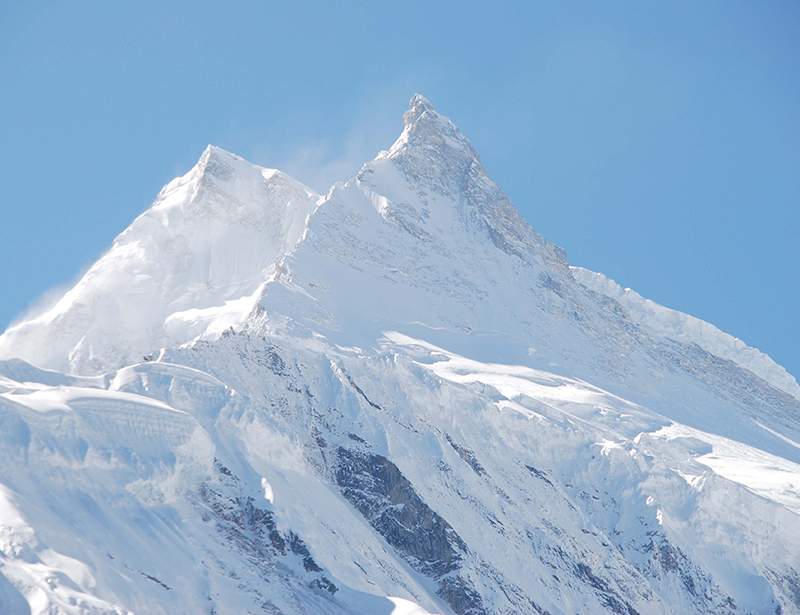
  • Dual-Summit Target: Offers a unique climb to the “Kangchung Twins,” two closely unified summits reaching a maximum altitude of 6,097 meters (20,000 ft ).

  • Premier Training Ground: Widely admired as an ideal, off-the-beaten-path training ground for mountaineers to practice technical ice climbing and high-altitude acclimatization before attempting  8,000 m giants like Mt. Everest or Cho Oyu.

  • Exclusive and Pristine: First opened for commercial climbing in 2002, it remains a rare, low-traffic “virgin” peak with very few recorded ascents, ensuring a quiet trail away from typical crowds.

  • The Scenic Approach: Incorporates a world-class trekking itinerary starting from Lukla through the bustling Sherpa hub of Namche Bazaar, navigating alongside the massive Ngozumpa Glacier, and exploring the emerald waters of the sacred Gokyo Lakes.

  • Panoramic Summit Views: Rewarding final ascents reveal breathtaking, 360-degree vistas of the absolute tallest peaks on Earth, including Mt. Everest, Lhotse, Makalu, Cho Oyu, and Ama Dablam.

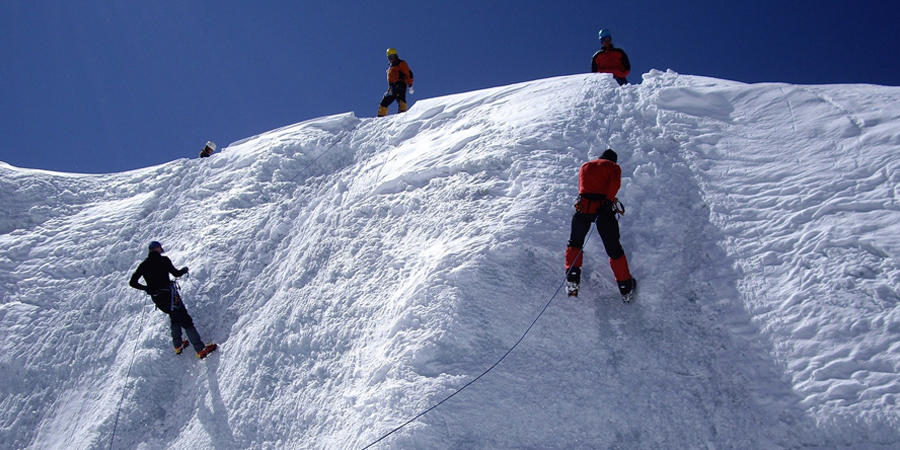
  • Technical Rigging Experience: Features exciting alpine challenges with snow and ice slopes averaging 45 °to $50 ° that require navigating technical ridges using fixed ropes, harnesses, and ice axes.

  • High-Pass Crossing: The standard expedition route conveniently intersects with the famous, glacier-carved Cho La Pass (5,330 m), bridging the gap between the Gokyo Valley and the main Everest trail.

Mt. ABI Peak 6097 m Overview

Mt. Abi Peak (also historically referred to as Cholo or Kangchung) is a striking, pyramid-shaped trekking mountain standing at an elevation of 6,097 meters ($20,000\text{ ft}$) within the Mahalangur Himalayan range of Nepal’s Solukhumbu district. Tucked between the iconic Gokyo and Everest valleys just south of Lobuche East, this Group “A” classified peak features two closely unified summits often called the “Kangchung Twins.” First opened for commercial climbing by the Department of Tourism in 2002, the peak serves as a premier, off-the-beaten-path training ground for mountaineers seeking to practice technical ice climbing and high-altitude acclimatization before attempting major 8,000-meter giants.

The standard approach weaves through pristine alpine topography, following a classic itinerary from Lukla through Namche Bazaar, up past the mesmerizing Ngozumpa Glacier and the sacred Gokyo Lakes, before splitting from Dragnak toward the mountain’s base camp. Though classified as a moderate-plus climb, reaching the narrow summit ridge presents a formidable, rewarding challenge; it requires navigating rugged rock slabs, frozen glacial steps, and steep snow slopes averaging inclines of $45^\circ$ to $50^\circ$ that mandate the precise use of fixed ropes and axes. Those who successfully brave the elements to stand on its peak are rewarded with unparalleled, 360-degree panoramic vistas of the Everest region, including unmatched views of Mt. Everest, Lhotse, Makalu, and Cho Oyu.

Day to Day Itinerary
Expand all

Cost Includes
  • Climbing Permits & Fees: All necessary government paperwork, including the Nepal Mountaineering Association (NMA) Peak Climbing Permit, Sagarmatha National Park entry fees, and the Khumbu Rural Municipality local tax.

  • Domestic Flights & Transfers: Round-trip domestic flights between Kathmandu (or Manthali) and Lukla, plus airport transfers.

  • Guides & Support Staff: A licensed, experienced high-altitude Climbing Sherpa (often 1 per 2–4 climbers), a certified trekking guide, and porters to carry your heavy duffel bags.

  • Insurance for Local Staff: Full medical and emergency helicopter rescue insurance for all Nepalese guides, porters, and kitchen staff.

  • Accommodation: Standard teahouse/lodge stays during the trek, and high-quality, cold-weather tents at Base Camp and High Camp.

  • All Meals: Three hot meals a day during the trek and freshly prepared, high-calorie expedition food cooked by a dedicated kitchen crew at the camps.

  • Group Climbing Gear: Shared safety and technical equipment, including dynamic main ropes, snow bars, ice screws, and group medical/first-aid kits with oximeters.

Cost Excludes
  • International Travel: Your international flights to and from Kathmandu, plus your Nepal Tourist Visa fee (purchased upon arrival at the airport).

  • Personal Climbing Gear: Your personal technical equipment (plastic mountaineering boots, crampons, harness, ice axe, jumar, helmet) and cold-weather clothing (down jacket, sleeping bag rated to  -20°C . Note: Technical gear can easily be rented in Kathmandu or Namche Bazaar.

  • Travel & Rescue Insurance: Personal insurance that must explicitly cover high-altitude mountaineering up to 6,100 meters  and emergency helicopter evacuation.

  • Meals in Kathmandu: Lunch and dinner while staying in the capital city before and after the expedition.

  • Tips & Gratitude: Tips for your climbing Sherpa, trekking guide, and porters (customarily around 10% to 15% of the trip cost, plus a summit bonus for your climbing guide).

  • Personal Expenses: Luxury items on the trail like Wi-Fi cards, hot showers at teahouses, battery charging fees, soft drinks, alcohol, and snacks.

Departure Dates
Useful Info

Mt. Abi Peak—officially standing at an elevation of 6,097 meters (20,000  ft )—is a rare, low-traffic gem nestled within the Mahalangur range of Nepal’s Solukhumbu district. Historically known as Cholo or Kangchung Peak, this striking pyramid-shaped mountain was opened for commercial climbing in 2002 but has since seen fewer than ten recorded successful ascents, making it a pristine, crowd-free alternative to busier neighboring peaks. The peak features two closely unified summits known as the “Kangchung Twins,” which serve as a premier high-altitude training ground for mountaineers preparing for massive 8,000-meter giants. A safety-first expedition spans roughly 18 to 21 days, tracing a scenic approach that begins with a flight to Lukla, passes through Namche Bazaar, and ascends the tranquil Gokyo Valley alongside the massive Ngozumpa Glacier and the sacred Gokyo Lakes. Base camp is established north of Dragnag at 5,355 meters,often followed by a temporary High Camp at roughly 5,610 meters to shorten the strenuous final push.

Classified as a moderate-to-challenging alpine climb (Grade PD+ to AD), Abi Peak requires genuine mountaineering experience rather than simple trekking skills. The primary technical hurdle is the final headwall, which features steep snow and ice slopes averaging inclines of 45 ° to 50 ° that mandate the rigging of roughly 200 meters of fixed dynamic rope, requiring the confident use of crampons, ice axes, harnesses, and jumar ascenders. The best climbing windows occur during the Autumn (September to November) season for crisp, highly stable weather, or the Spring (March to May) season for milder temperatures and classic alpine snow conditions, while the monsoon and winter months should be strictly avoided due to avalanche risks and hostile winds. After pushing through rugged moraines and the exposed, narrow summit ridge, climbers are rewarded with an extraordinary 360-degree panorama of the world’s highest peaks, including Mt. Everest, Lhotse, Makalu, and Cho Oyu. The standard route then forms a beautiful loop, crossing the famous, glacier-carved Cho La Pass (5,330 m) to descend through the main Khumbu Valley. Standard commercial booking packages traditionally include all NMA peak permits, regional park fees, domestic Lukla flights, teahouse accommodation, high-altitude tents, group climbing gear, and licensed climbing Sherpas with local staff insurance; however, climbers must independently arrange international travel, personal technical mountaineering gear, tipping gratuities, and specialized high-altitude rescue insurance covering up to 6,100 meters.

FAQs
  • Mt. Abi Peak is classified as a Moderate to Challenging (Alpine Grade: PD+ to AD) mountaineering peak. While it is categorized as a “trekking peak” by the Nepal Mountaineering Association (NMA), it is an actual alpine climb. You will face steep snow headwalls averaging inclines of  45 ° to 50°  and narrow, exposed ridges

  • Yes, basic alpine skills are highly recommended. You should be familiar with winter walking using crampons, using an ice axe for self-arrest, and ascending a fixed line using a jumar (ascender). If you have previously completed challenging high-altitude treks or climbed non-technical peaks like Mera Peak or Island Peak, Abi Peak is the perfect next step.

  • Our itinerary is strictly designed around a “climb high, sleep low” philosophy. We include built-in rest and acclimatization days at Namche Bazaar 3,440  m  and Gokyo  4,790 m , alongside a training hike up Gokyo Ri  5,357 m  before we ever establish Base Camp.

  • Summit day starts exceptionally early—usually around 1:00 AM to 2:00 AM—to ensure we reach the summit and descend before midday winds pick up.

    • We move from High Camp ($5,610\text{ m}$) across rocky moraines and onto the glacier.

    • The final push involves ascending roughly 200 meters of fixed dynamic ropes on the steep headwall to reach the narrow summit ridge of the “Kangchung Twins.”

    • Plastic or double mountaineering boots (rated for 20°C

    • Crampons and an ice axe

    • Climbing harness, helmet, and a Jumar (ascender)

    • Screw-gate carabiners and a descender/belay device (like a figure-8 or ATC)

  • Yes, our full-service package covers the NMA Abi Peak climbing permit, the Sagarmatha National Park entry fee, and the Khumbu Pasang Lhamu local government tax.

You May Also LikeSimilar Itineraries
Mananslu circuit  16 days trek Featured
Mananslu circuit 16 days trek
Difficulty: Challanging 17 Days
Max. Height: 8,163 m
Upper Dolpo Trekking – 24 days
Difficulty: Challanging 24 Days
Max. Height: 5,375 m

US $6,500USD

Australin Camp Dhampus Trekking – 4Days
Difficulty: Moderate 4 Days
Max. Height: 2,100 meters

US $380USD

Khopra Trekking – 13Days
Difficulty: Moderate 13 Days
Max. Height: 3,660 m

US $900USD

Everest Three Passes Trekking – 23 Days
Difficulty: Hard 23 Days
Max. Height: 5,643 m

US $2,400DSD

Gokyo Lake-Cho La Pass-Everest Base Camp Trek – 18 days
Difficulty: Hard 18 Days
Max. Height: 5,545 m

US $2,000USD