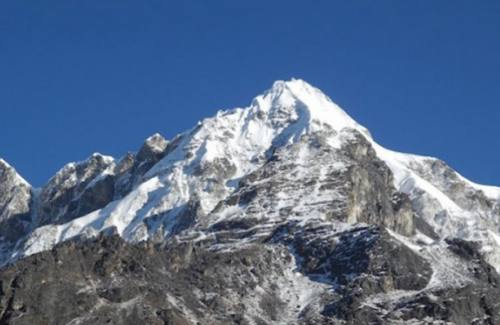
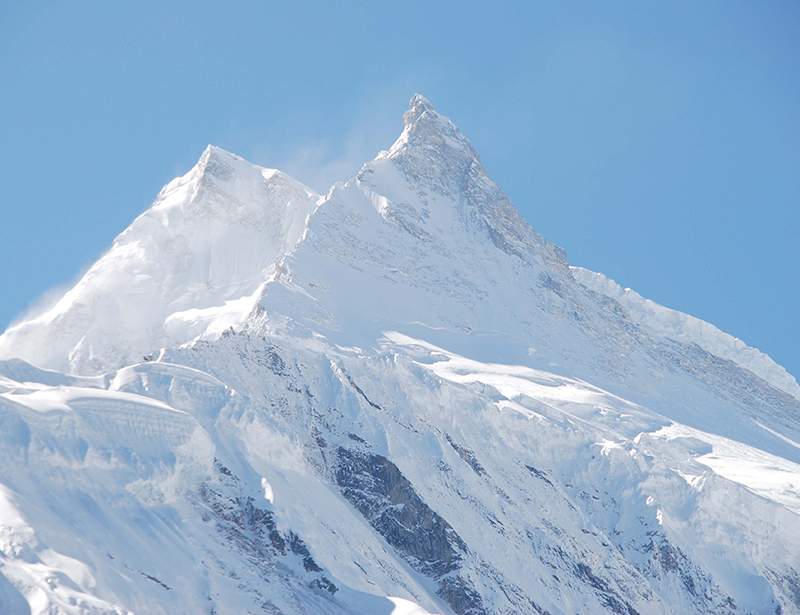
Mt. Chekigo Peak Climbing 6257 m

  • Duration 4
  • Destination Nepal
  • Trip Grade Hard
  • Starts at Kathmandu
  • Ends at Kathmandu
  • Meals Breakfast/Lunch/Dinner
  • Accommodation Teahouses / Lodges
  • Max. Altitude 6,257 m
  • Activity Peak climbing
  • Group Type Mountainner
  • Group Size 1-12
  • Best Season Autumn (October to November)
Highlights

The Mt. Chekigo climbing expedition seamlessly blends a profound cultural journey through the hidden Rolwaling Valley with an exhilarating, off-the-beaten-path mountaineering challenge. The adventure highlights begin with a scenic, dramatic drive from Kathmandu into the deep gorges of the Dolakha district, opening up to an pristine approach trek through the Gaurishankar Conservation Area. Walking through lush rhododendron forests and crossing suspension bridges over rushing rivers, climbers experience deep cultural immersion while staying in authentic, untouched Sherpa villages like Simigaon and Beding. As the trail transitions into the alpine wilderness past the Na village, the trek shifts into a true expedition mindset with the setup of isolated, fully catered tented camps. The undeniable pinnacle of the journey is the technical push up Chekigo’s soaring 6,257-meter peak, where conquering sustained 55-degree snow slopes and glacial crevasses rewards climbers with an exclusive, crowd-free summit panorama featuring the sweeping, jaw-dropping massifs of Gaurishankar, Menlungtse, and the distant peaks of the Everest region.

Mt. Chekigo Peak Climbing 6257 m Overview

Nestled inside the pristine Gaurishankar Conservation Area along the border of the Dolakha district, Mt. Chekigo (6,257 m) stands as an elegant, fluted snow-and-ice pyramid in the wild, rugged heart of the Rolwaling Himal range. Officially classified as a Group “A” trekking peak by the Nepal Mountaineering Association since opening for expeditions in 2002, Chekigo remains a beautifully esoteric, hidden gem that sees very few climbers each year—boasting less than 100 total summit attempts since its first historic ascent by Bruce Normand and Oliver Von Rotz in 2005.

The journey to the summit is as much a cultural immersion as it is a mountaineering feat. The standard caravan route typically kicks off with a scenic drive from Kathmandu to Shingati or Chhetchhet, leading into an undulating trek along rushing riverbanks, terraced fields, and ancient rhododendron and oak forests. Climbers pass through authentic Sherpa settlements like Simigaon and the large alpine village of Beding before setting up base camp at roughly 5,400 meters. The climb itself is categorized as moderately challenging, requiring essential mountaineering apparatus, rope-fixing skills, and solid physical stamina to navigate the steep snow fissures and dome glaciers. Standing atop the pinnacle rewards adventurers with an unparalleled, sweeping panorama of the Rolwaling and Khumbu massifs, including breathtaking views of Gaurishankar, Menlungtse, Langtang Lirung, and distant glimpses of the Everest region.

Day to Day Itinerary
Expand all

Cost Includes
  • Permits & Bureaucracy: Nepal Mountaineering Association (NMA) climbing permit, Gaurishankar Conservation Area Project (GCAP) entry fees, and official garbage deposits.

  • Accommodations: Twin-sharing hotel stays in Kathmandu, local teahouse lodging during the approach trek, and high-quality mountain tents at base camp and high camps.

  • Transport: Round-trip private ground transportation from Kathmandu to the trailheads (Shingati or Chhetchhet).

  • Guiding & Support Staff: Government-licensed, high-altitude Sherpa climbing guides, a base camp cook, kitchen kitchen assistants, and local porters to carry collective gear and personal duffel bags.

  • Meals: Three hot meals a day (combining local, continental, and high-calorie expedition food), along with boiled drinking water and hot beverages during the trek and climb.

  • Group Climbing Gear: Collective safety equipment including fixed ropes, main climbing ropes, ice screws, snow bars, rock pitons, and group medical/first-aid kits.

  • Camping Infrastructure: Large dining tents with tables and chairs, a kitchen tent with cooking utensils, and private toilet tents at the camps.

Cost Excludes
  • International Travel: Round-trip international flights to and from Kathmandu, airport departure taxes, and Nepal entry visa fees.

  • Personal Gear: Your personal clothing layers, mountaineering boots, sleeping bag (rated to at least -20°C), and personal climbing hardware (harness, crampons, ice axe, helmet, ascender, and descender).

  • Insurance: Compulsory travel and medical insurance that explicitly covers high-altitude mountaineering up to 6,500 meters and emergency helicopter evacuation.

  • Tips & Gratuities: Tips for your climbing Sherpas, porters, and kitchen crew (a deeply appreciated tradition in Himalayan climbing).

  • Summit Bonus: A standard, performance-based cash bonus paid directly to your climbing guide upon a successful summit push or high-camp support.

  • City & Trail Personal Expenses: Meals and drinks in Kathmandu, alcoholic beverages, specialized snacks/energy bars, hot showers, Wi-Fi access, and device charging fees at the teahouses.

Departure Dates
Useful Info

An expedition to Mt. Chekigo (6,257 m) requires meticulous logistical planning and specific legal clearances, starting with the mandatory seasonal climbing permit issued by the Nepal Mountaineering Association, which costs $175 USD per person in autumn and $350 USD in spring. Climbers must also secure a Gaurishankar Conservation Area Project (GCAP) permit in Kathmandu for NPR 3,000 to avoid double fees at the trail check-post. The classic 15-to-18-day itinerary features a dramatic elevation profile, transitioning from the low trailheads of Chhetchhet or Shingati (~1,400 m) through crucial acclimatization hubs like Simigaon (2,020 m) and Beding (3,690 m), before pushing past Na village (4,180 m) into isolated alpine camps. Due to the technical nature of the peak, a robust gear strategy is non-negotiable; participants must bring specialized hardware including a climbing harness, crampons, an ice axe, a jumar, double mountaineering boots, and an expedition-weight sleeping bag rated to at least -20°C. Finally, because mobile network coverage drops completely beyond Beding, carrying a satellite communication device and securing a specialized insurance policy that explicitly covers technical mountaineering and emergency helicopter evacuation up to 6,500 meters are absolute prerequisites for safety.

FAQs
  • Mt. Chekigo is situated in the remote Rolwaling Himal range, right on the border between Nepal’s Dolakha district and Tibet. It sits entirely within the protected boundaries of the Gaurishankar Conservation Area.

    The journey begins with a scenic, rugged 7-to-8-hour drive from Kathmandu to the trailheads at Shingati or Chhetchhet. From there, you will trek through the pristine Rolwaling Valley via the beautiful Sherpa villages of Simigaon, Beding, and Na before branching off toward Chekigo Base Camp.

    • Autumn (October to November) – Highly Recommended: This season offers the most stable weather, very low wind speeds, and crystal-clear skies for spectacular visibility, though it gets progressively colder.

    • Spring (April to May): You will experience milder temperatures and beautiful, blooming rhododendron forests on the trek in, though afternoon clouds and brief snowfall are more common near the summit.

  • Yes, prior technical mountaineering experience is mandatory. Mt. Chekigo is classified as a technically challenging peak (Alpine Grade: PD+ to AD). Unlike straightforward trekking peaks like Mera Peak, Chekigo involves sustained snow and ice slopes of 35° to 55°, technical crevasse navigation, and fixed-rope climbing using a jumar (ascender).

    You should be fully confident using an ice axe, front-pointing with crampons, and rappelling down steep slopes. It is ideal if you have previously climbed a 5,000 m+ peak and completed a basic mountaineering course.

  • You need excellent cardiovascular endurance, core strength, and high mental resilience. On summit day, you will be climbing for 8 to 12 hours continuously at altitudes over 6,000 meters in freezing conditions. We recommend a strict training regimen focused on stair climbing, long hikes with a weighted backpack, rowing, and leg/core strength training at least 3 to 4 months before your trip.

    • During the Trek: You will stay in traditional, family-run Sherpa teahouses in villages like Simigaon and Beding. Rooms are simple, twin-sharing setups with communal bathrooms.

    • During the Climb: Once we leave the main trekking trail past Na village, our crew will set up a fully serviced wilderness campsite. You will sleep in high-quality, windproof, mountain-grade tents. We also provide a spacious dining tent, a kitchen tent, and a private toilet tent.

  • Safety is our absolute number one priority. Our climbing Sherpas are certified Wilderness First Aid responders and carry a comprehensive medical kit, a pulse oximeter to monitor your oxygen saturation daily, and satellite communication equipment (as there is no mobile network past Beding).

    If you show signs of severe Acute Mountain Sickness (AMS), our team will immediately safely escort you to a lower altitude. For life-threatening emergencies, we will coordinate an immediate helicopter evacuation. Because of this, you must purchase specialized travel insurance that explicitly covers technical mountaineering and heli-rescue up to 6,500 meters.

  • You are responsible for your personal clothing layers, double mountaineering boots (rated for 6,000 m+), a sleeping bag rated to at least -20°C, and your personal climbing hardware (harness, crampons, ice axe, helmet, jumar, and rappel device).

    Our company provides all group gear, including high-altitude tents, cooking equipment, fixed ropes, main climbing ropes, ice screws, snow bars, and emergency medical kits. If you do not own technical hardware, we can assist you in renting high-quality gear in Kathmandu before the trek begins.

You May Also LikeSimilar Itineraries
Mananslu circuit  16 days trek Featured
Mananslu circuit 16 days trek
Difficulty: Challanging 17 Days
Max. Height: 8,163 m
Upper Dolpo Trekking – 24 days
Difficulty: Challanging 24 Days
Max. Height: 5,375 m

US $6,500USD

Australin Camp Dhampus Trekking – 4Days
Difficulty: Moderate 4 Days
Max. Height: 2,100 meters

US $380USD

Khopra Trekking – 13Days
Difficulty: Moderate 13 Days
Max. Height: 3,660 m

US $900USD

Everest Three Passes Trekking – 23 Days
Difficulty: Hard 23 Days
Max. Height: 5,643 m

US $2,400DSD

Gokyo Lake-Cho La Pass-Everest Base Camp Trek – 18 days
Difficulty: Hard 18 Days
Max. Height: 5,545 m

US $2,000USD