Pokhara-Kathmandu Biking

  • Duration 10
  • Destination Nepal
  • Trip Grade Moderate
  • Starts at Kathmandu
  • Ends at Pokhara
  • Meals Breakfast/Dinner/lunch
  • Accommodation gest house
  • Max. Altitude 2,000 m
  • Activity Cycling
  • Group Type Cyclist
  • Group Size 1-15
  • Best Season Autumn (Peak)
Highlights

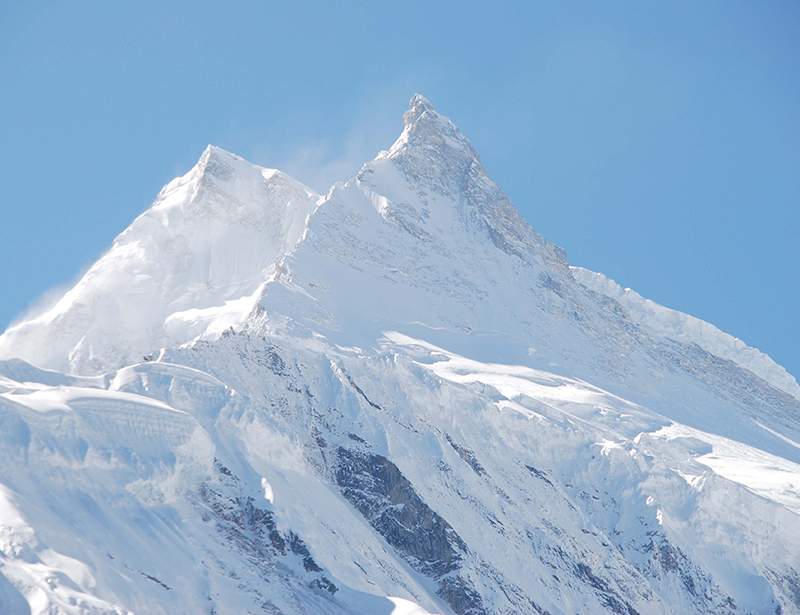
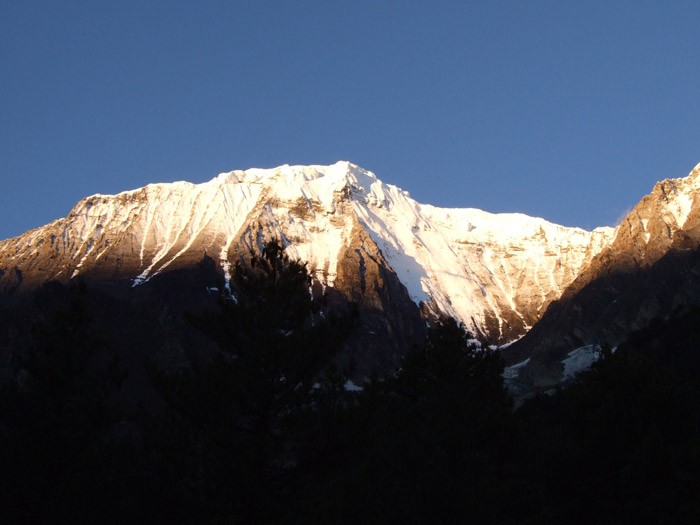
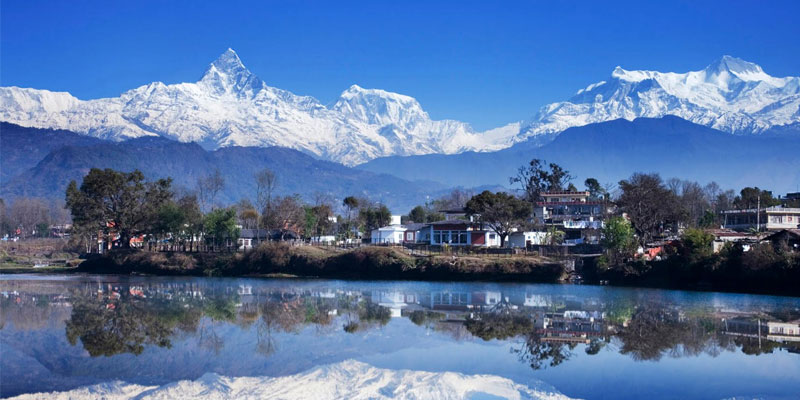
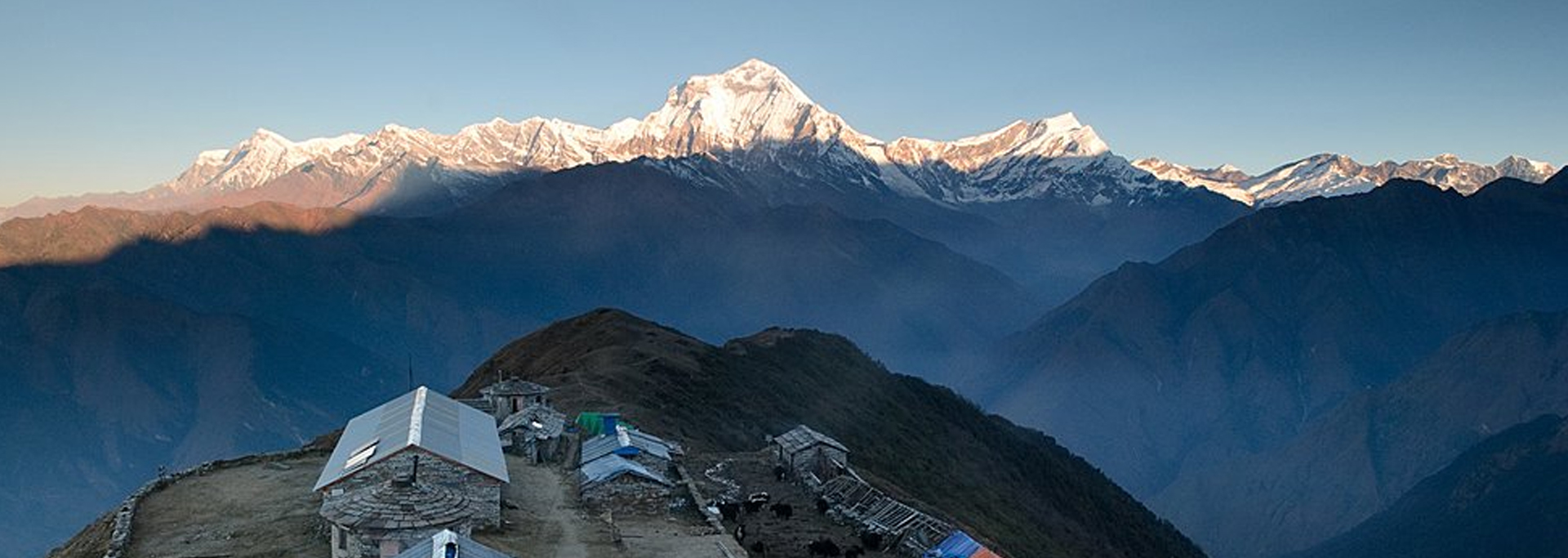
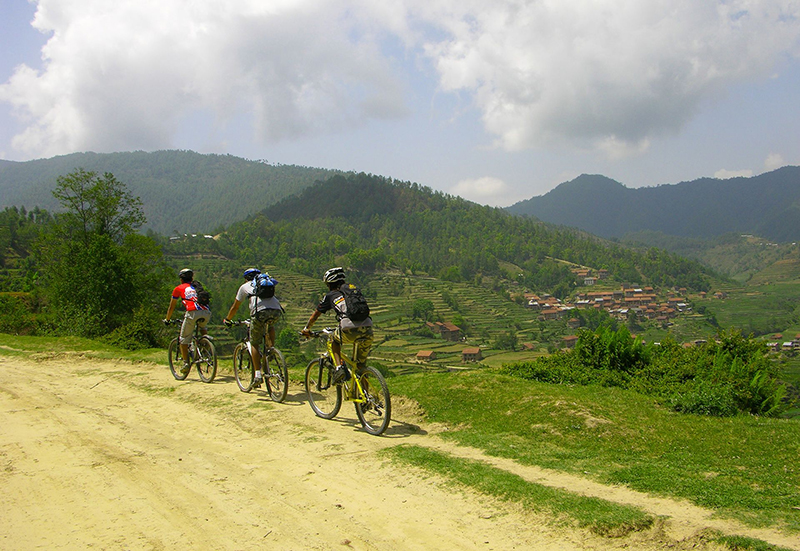
The absolute highlight of this cross-country bicycle journey is escaping the chaotic highway to experience the raw, untouched beauty of Nepal’s middle hills. On your very first day, the grueling climb up to Kakani rewards you with panoramic views of the Langtang range before you plunge down a thrilling descent into Nuwakot to explore its historic seven-story palace. As you pedal through rural farmlands and cross swaying suspension bridges over rushing rivers, you get to experience authentic village life far away from mainstream tourism. The steep climb to Gorkha Bazar places you right at the historic hilltop birthplace of unified Nepal, offering sweeping vistas of Mount Manaslu. From there, the trails wind through the dramatic river valleys near Besisahar, the gateway to the Annapurnas, where you are treated to a backdrop of towering, snow-capped peaks. The journey ends with a peaceful, scenic cruise past the calm, emerald waters of Begnas Lake before you finally roll into Pokhara Lakeside, giving you a massive sense of accomplishment as you look back at the jagged ridges you spent the last week conquering.

Pokhara-Kathmandu Biking Overview

For a bicycle trip from Kathmandu to Pokhara, staying completely off the main Prithvi Highway is essential because the ongoing road expansion has turned it into a dusty, chaotic bottleneck of heavy truck traffic and potholes. Instead, the ultimate way to experience this journey is by taking a mountain bike (MTB) through the spectacular, unpaved backcountry trails of Nepal’s middle hills. This cross-country route takes about 5 to 7 days, taking you through historic towns like Nuwakot, Dhading Besi, Gorkha, and Besisahar via rugged jeep tracks, suspension bridges, and steep ridgelines that offer stunning views of the Ganesh, Manaslu, and Annapurna mountain ranges. It is physically demanding with significant elevation climbs, requiring a high-quality mountain bike with good suspension, strong legs, and a solid hydration plan. You will end the journey dropping right down past the peaceful waters of Begnas Lake before cruising into Pokhara Lakeside, making it a highly rewarding, raw cultural adventure that completely bypasses the highway mess.

Day to Day Itinerary
Expand all

Departure Dates
Useful Info

For a successful cross-country bicycle trip from Kathmandu to Pokhara, navigating the rugged terrain requires a capable front-suspension hardtail mountain bike equipped with wide, knobby tubeless tires to handle loose gravel without risking frequent flat tires. Because the route dips into lower-altitude river valleys where temperatures can get surprisingly warm, staying hydrated with a backpack hydration system is essential to protect your water from trail dust, as is carrying water purification tablets since bottled water is unavailable in remote areas. You should pack multiple pairs of padded cycling shorts for the consecutive five-to-seven-hour days on the saddle, wrap-around sunglasses for sun and gravel protection, and several neck buffs to shield your lungs from the dust kicked up by occasional passing vehicles. Finally, since cellular network coverage is highly unreliable in the deep gorges between Dhading and Gorkha, it is critical to download offline navigation maps beforehand and carry ample cash in Nepali Rupees, as ATMs do not exist on the trail until you get close to Pokhara.

FAQs
  • You do not need to be a highly technical downhill rider, but you do need good physical fitness and solid stamina. The trails are mostly dirt jeep tracks and gravel roads rather than narrow, dangerous singletracks.

  • No, altitude sickness is not a risk on this route. The highest point you will reach is around 2,040 meters near Kakani on the first day, and you will spend most nights sleeping in river valleys or lower ridges between 500 and 1,000 meters. AMS typically becomes a concern only when sleeping above 2,500 meters.

  • You will be staying in local teahouses and small guesthouses in the villages along the route. Accommodations are basic but comfortable, usually featuring twin beds and shared or attached bathrooms. For food, you will eat freshly cooked local meals—with Dal Bhat (lentil soup, rice, and vegetable curry) being the ultimate high-energy fuel for cyclists, alongside options like eggs, noodles, and potatoes.

  • If you book through a cycling agency, they will provide a 4×4 support vehicle that carries your main luggage from stop to stop, leaving you to ride with just a light daypack. If you are riding independently without a support vehicle, you will either need to pack light using a specialized bikepacking setup (frame and seat bags) or send your main suitcase ahead to your Pokhara hotel via a local tourist bus or domestic airline cargo from Kathmandu.

You May Also LikeSimilar Itineraries
Mananslu circuit  16 days trek Featured
Mananslu circuit 16 days trek
Difficulty: Challanging 17 Days
Max. Height: 8,163 m
Upper Dolpo Trekking – 24 days
Difficulty: Challanging 24 Days
Max. Height: 5,375 m

US $6,500USD

Australin Camp Dhampus Trekking – 4Days
Difficulty: Moderate 4 Days
Max. Height: 2,100 meters

US $380USD

Khopra Trekking – 13Days
Difficulty: Moderate 13 Days
Max. Height: 3,660 m

US $900USD

Everest Three Passes Trekking – 23 Days
Difficulty: Hard 23 Days
Max. Height: 5,643 m

US $2,400DSD

Gokyo Lake-Cho La Pass-Everest Base Camp Trek – 18 days
Difficulty: Hard 18 Days
Max. Height: 5,545 m

US $2,000USD