Langtang Valley Trek – 6 Days

  • Duration 4
  • Destination Nepal
  • Trip Grade Easy
  • Starts at Kathmandu
  • Ends at kathmandu
  • Meals Breakfast
  • Accommodation Tea Houses/Lodges
  • Max. Altitude 3,870m
  • Activity Trekking
  • Group Type Trekking
  • Group Size 2–12
  • Best Season April-May and Sepember- November
Highlights
  • Scenic local bus ride from Kathmandu to Syabrubesi.

  • Trek through Langtang National Park, home to red pandas and Himalayan peaks.

  • Explore charming villages and stay at local lodges and guesthouses.

  • Visit Kyanjin Gompa, a beautiful Buddhist monastery in the heart of Langtang Valley.

  • Optional bouldering activities in Langtang.

  • Breathtaking sunrise hike to Kyanji Ri (optional extra day).

  • First aid kit and oxygen meter provided for your safety.

  • Explore Tamang heritage culture and warm local hospitality.

Langtang Valley Trek – 6 Days Overview

The Langtang Valley Trek is one of Nepal’s most rewarding, accessible, and culturally rich short-duration journeys, situated roughly 130 km north of Kathmandu within the protected confines of Langtang National Park. Often referred to as the “Valley of Glaciers,” this moderate-grade trail is an ideal alternative to the more crowded Annapurna or Everest regions, requiring no domestic flights and instead starting with a scenic, 7-to-8-hour drive from Kathmandu to the gateway village of Syabrubesi.

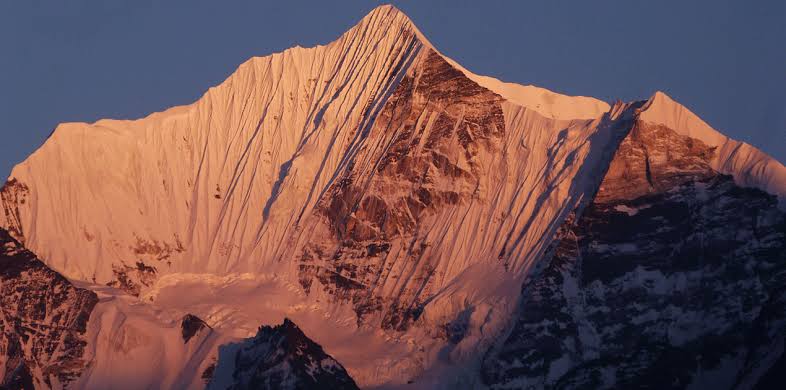
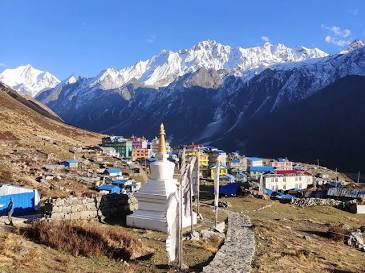
The trail winds along the rushing waters of the Langtang Khola, ascending from lush subtropical forests of oak, bamboo, and vibrant spring rhododendrons into high-altitude alpine meadows and wide yak pastures. Along the route, trekkers are treated to spectacular, close-up vistas of snow-capped peaks like Langtang Lirung ($7,227\text{ m}$), Ganjala Peak, and Yala Peak. Beyond its natural grandeur, the trek offers profound cultural immersion into the centuries-old Buddhist traditions of the indigenous Tamang people, marked by stone-carved mani walls, fluttering prayer flags, and resilient local communities that have beautifully rebuilt after the 2015 earthquake.

The journey reaches its crowning settlement at Kyanjin Gompa ($3,870\text{ m}$), where hikers can sample world-class artisanal yak cheese at the local factory, explore the historic monastery, or embark on challenging day-hikes to panoramic viewpoints like Kyanjin Ri ($4,773\text{ m}$) or Tserko Ri ($4,984\text{ m}$) for a breathtaking 360-degree look at the surrounding glaciers and mountain ranges.

Day to Day Itinerary
Expand all

Meet our representative and trekking guide at your hotel. Take a private cab to the New Bus Park to catch a local bus. Start your adventure with a scenic drive from Kathmandu to Syabrubesi. The road winds through lush hills and riverside valleys, offering glimpses of rural Nepal. Expect a bumpy but exciting ride. On arrival, check into a guesthouse and prepare for your trek.

  • Tea Tea house/Lodge
  • Breakfast
  • 7-8 hours
  • 117 km

Today, after breakfast, cross the Bhote Koshi River and follow the trail through oak and rhododendron forests. Towards Riverside, upon arrival, have a local lunch followed by resting alongside the river. After spending some time here, push forward towards Goda tabela and then to Langang valley. pass by small villages and, if lucky, spot some wildlife like langurs and red pandas. Overnight in Langtang Valley with stunning mountain surroundings.

  • Tea Tea house/Lodge
  • Breakfast
  • 6–7 hours
  • 14 km

Today’s walk is shorter but more spectacular as the trail changes from lush green forest to upper altitude barren landscape filled with boulders, giving vibes of the Annapurna circuit. The trail passes by mani walls(Always take the left-hand side), prayer wheels, and yak pastures before reaching Kyanjin Gompa. Spend the afternoon exploring the village, tasting yak cheese, and visiting the famous monastery.Overnight in Kyanji Gompa.

  • Tea Tea house/Lodge
  • Breakfast
  • 3 hours
  • 7 km

Optional early morning hike to Kyanjin Ri for incredible panoramic views. Kyanji RI is a vantage point above Kyanji gompa, sitting at 4,460 m, looking over the Kyanji gompa settlement. From here, get a clearer view of the valley and mountain ranges along with the Langtang Valley glacier . After breakfast, retrace your steps through the valley down to Ghoda Tabela. The trail feels easier downhill, and you’ll enjoy seeing the landscapes from a new perspective. Overnight in Ghoda Tabela or Riverside.

  • Tea Tea house/Lodge
  • Breakfast
  • 7 hours
  • 15 km

Trek back through forests and riversides, either from Ghoda Tabela or Riverside. After enjoying your final breakfast in the beautiful Langtang region. Head downhill to reach Syabrubesi; the trail is comparatively easier and is mostly downhill. Reach Syabru Besi and relax at the guesthouse, sharing stories with fellow trekkers. Late-night celebration with the guide for your completion of the Langtang valley trek.

  • Tea Guesthouse/Lodge
  • Breakfast
  • 5 hours
  • 18-22 km

Today, after breakfast, head back to civilisation. Take the local bus back to Kathmandu. Enjoy the lively city atmosphere after your Himalayan adventure. Trek officially ends upon arrival at New Bus Park. Then hop into our private cab, which will drop you off at your pick-up location.

Altitude Chart
Cost Includes
  • Two-way local bus transportation (Kathmandu–Syabrubesi–Kathmandu).

  • Licensed professional guide, along with his Transportation fees.

  • Pick-up and Drop-off
  • Bed and breakfast throughout the trek.

  • Accommodation in local lodges and guesthouses.

  • Staff allowances and insurance.

  • Government taxes and service charges.

  • Langtang National Park Permit (Approx. USD 30).

  • TIMS Card (Trekkers’ Information Management System – Approx. USD 20).

  • Holyland adventure tours and travels, First aid kit.

  • Oxygen meter for altitude monitoring

Cost Excludes
  • Private jeep transport.

  • Lunch and dinner during the trek.

  • Personal trekking gear (available at extra cost USD: $25).

  • Personal expenses (e.g., snacks, tips).

  • Costs arising from unforeseen circumstances (weather, landslides).

  • Langtang Valley bouldering activity.

  • Extra day hikes to Kyanji Ri and Tserko Ri.

  • Porter service (available: 1 porter for every 2 guests).

  • Optional activities in Kyanjin Gompa (Yoga, Singing Bowl Healing, Ice Bath).

Departure Dates
Useful Info

📅 Coordination & Briefing

  • Notify us early: Let us know your final flight and arrival details at least 3 days before the trek so we can confirm bus seats, guide assignment, and lodge bookings.

  • Pre-trek briefing: We’ll meet in Kathmandu the evening before departure to review the route, safety tips, and check your equipment.


🎒 Essential Trekking Gear

Pack light, but bring these must-haves:

  • Sturdy hiking boots (broken in)

  • Warm layers: fleece or down jacket, thermal base layers

  • Waterproof shell (jacket + pants)

  • Trekking pants & breathable shirts

  • Warm hat, gloves, scarf

  • Daypack (20–30 L) for water, snacks, layers

  • Sleeping bag (rated to –10 °C) or rent in Kathmandu

  • Trekking poles (optional but helpful)

  • Headlamp with extra batteries

  • Water bottles or hydration bladder (2 L capacity)

  • Water purification tablets or filter

  • Sunscreen & lip balm (SPF 30+)

  • Sunglasses (UV protection)

  • Personal toiletries & quick-dry towel

  • Basic first-aid kit (plasters, painkillers, blister pads)


🛡️ Safety & Health

  • We provide a first-aid kit and pulse oximeter to monitor altitude acclimatization.

  • Carry any personal medication you need (e.g. for headache or upset stomach).

  • Drink plenty of water; aim for 3 L per day.

  • Walk at a steady pace; rest if you feel breathless.


🔌 Extras & Optional Items

  • Power bank for charging devices (tea houses may charge for a fee)

  • Camera or smartphone for photos

  • Snacks: energy bars, nuts, chocolate

  • Cash (NPR): for tea house snacks, tips, extras (no ATMs on trek)

  • Small padlock for lodge lockers

  • Notebook & pen if you like journaling


📱 Contact & Emergencies

  • Guide’s emergency number will be shared at briefing.

  • Helicopter evacuation is arranged via your travel insurance—keep your policy details handy.

FAQs
  • Spring (March–May) and autumn (September–November) offer clear skies, flowering rhododendrons, and stable weather. Trails are dry and mountain views are at their peak. Around  these season get exceptional views and lesser risky that are associated while travelling and trekking in the Langtang Region

  • Rated Easy, with 5–7 hours of walking on well-marked trails each day. No technical climbing skills are required—just good boots and basic fitness. This trek is said to be one of the best treks for travellers who want to test their trekking limit, if they are looking for trekking around Nepal with out any prior experience.

  • Yes—most tea houses offer device charging for a small fee. A power bank is recommended for stretches without electricity. Accommodation at high elevation may charge extra for charging.

  • The highest point is 3,870 m Kyanjin Gompa or Kyanji RI, which is just 4,460 m. We follow a slow ascent profile and rest as needed. Your guide will check your oxygen levels daily and adjust the pace. Naturally, the risk of Altitude sickness always differs from person to person. Hence, taking medication and walking slowly is suggested to avoid it.

    Usually, it is caused when trekkers overstress their bodies by walking fast with no adequate rest,  dehydration and failing to cover the head and neck area with a scarf or hats results getting altitude sickness.

    • Hiking boots
    • Pair of slippers
    • Warm layers (fleece/down jacket)
    • Waterproof jacket and pants
    • Daypack (20–30 L)
    • Sleeping bag (–10 °C) or rental in Kathmandu
    • Water bottle & purification tablets
    • Headlamp, sunglasses, sunscreen
    • Snacks (energy bars, nuts)
    • Cash in NPR for extras
    • Head covers: Hats, caps etc
    • Gloves and a scarf
    • Quickly dry clothes
    • Rain cover
    • First aid
    • Personal medications
    • Insurance
    • ID, Passport side Photo

  • While trekking to Langtang or Kyanjin Gompa, adventure lovers can try Langtang Valley bouldering, a unique outdoor experience set amidst breathtaking Himalayan scenery. It’s a great way to challenge yourself and add more thrill to your Langtang journey.

  • If you’re staying in Kyanjin Gompa, don’t miss hiking to Kyanjin Ri and Tserko Ri. These short yet rewarding side trips offer panoramic views of the Langtang Himalayan range and are perfect for acclimatization and photography.

  • Yes, you can combine the Gosaikunda Trek with the Langtang Valley Trek. After visiting Gosaikunda, descend to Cholang Pati, then head down to Thulo Syabru, and continue to Syabrubesi. From there, spend a night and begin the Langtang trek via the riverside trail.

  • Yes! For a more scenic and cultural experience, start from Syabrubesi and trek through Sherpa Gaun. This uphill trail passes through traditional villages, offering deeper insight into local life. Stay overnight in Sherpa Gaun, then descend to Riverside and continue toward Langtang Valley.

  • The 2015 earthquake caused a massive landslide that devastated the original Langtang Village. Most structures were destroyed by a glacier-triggered avalanche. Since then, locals have rebuilt a new settlement slightly uphill from the original trail, continuing to welcome trekkers with their resilient spirit and warm hospitality.

  • Technically yes, but it’s not recommended for beginners. Instead, split the hikes across two days — do Kyanjin Ri on one day and Tserko Ri the next. This approach helps with altitude acclimatization and allows you to truly enjoy the views without rushing.

  • Surprisingly, yes — there are ATMs in Kyanjin Gompa. However, it’s always advisable to carry enough cash from Kathmandu or Syabrubesi as connectivity can be unreliable and ATM functionality isn’t guaranteed.

  • Yes, you can. From Gosaikunda, head toward Helambu Pass and continue your descent to reach Melamchi and eventually back to Kathmandu. Note: During winter, snow can make the pass treacherous, so always check the trail conditions locally or hire a licensed trekking guide for safety.

  • There are two main road options to reach Dhunche:

    • Via Prithvi Highway, which is currently under construction and often congested.
    • A more comfortable route is via Tokha to Trishuli, which is smoother and less crowded as of April 29, 2025.

  • If you are prone to motion sickness, yes — bring medication. Roads to Langtang are winding and mountainous, which can trigger nausea. For a natural remedy: eat a heavy breakfast, reduce fluid intake while traveling, and try to focus on distant objects or the scenery.

  • You can board a deluxe local bus to Dhunche or Syabrubesi from Gongabu Bus Park (New Bus Station) in Kathmandu. Approximate fare: NPR 1,000–1,500 Departure time: Early morning (around 6:00–7:30 AM) add this and add more relevant to clients search for langang trek and information

You May Also LikeSimilar Itineraries
Mananslu Base Camp Trek – 17 days Featured
Mananslu Base Camp Trek – 17 days
Difficulty: Challanging 17 Days
Max. Height: 8,163 m

US $2,800USD

6-Day Nepal Cultural & Scenic Tour: Kathmandu, Nagarkot & Pokhara Featured
6-Day Nepal Cultural & Scenic Tour: Kathmandu, Nagarkot & Pokhara
Difficulty: Easy 6 Days
Max. Height: 1,600 m