Windows to Bhutan tour

  • Duration 6
  • Destination Nepal
  • Trip Grade Easy
  • Starts at Paro International Airport
  • Ends at Paro International Airport
  • Meals Breakfast/Lunch/Dinner
  • Accommodation 3star hotels
  • Max. Altitude 3,120 m
  • Activity Hikking
  • Group Type Family & friend
  • Group Size 1-12
  • Best Season Autumn (September to November)
Highlights

If you look closely at the stunning Dochula Pass, you will see the complex arrangement of the 108 memorial chortens (stupas) built on a hilltop, framed perfectly against the distant, high-altitude ridges of the snow-capped Eastern Himalayas. Reaching an absolute peak elevation of 3,150 meters along the driving route, this mountain pass offers a breathtaking transition point as you travel between the valleys of Thimphu and Punakha.

Down in the capital city of Thimphu (2,334 meters), the skyline is dominated by the colossal Buddha Dordenma. This massive bronze statue sits prominently on a golden base overlooking the valley, symbolizing peace and serving as a massive cultural landmark that travelers explore long before facing the final uphill foot trek to Tiger’s Nest.

Windows to Bhutan tour Overview

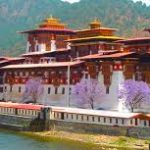
“Windows to Bhutan Tour” is a highly popular, compact 4 to 6-day travel package designed specifically for those who want a quick but deeply enriching glimpse into the core essence of the Himalayan kingdom. Focusing entirely on the two most prominent western valleys—Paro and Thimphu—this tour is perfect for travelers with limited time or those combining Bhutan with a broader South Asian itinerary. The journey begins with a thrilling flight into the dramatic Paro valley before immediately driving to the capital city, Thimphu, where you spend your time exploring the towering Buddha Dordenma statue, the iconic Tashichho Dzong fortress, and local craft markets. The second half of the tour returns you to Paro for the ultimate highlight: the legendary and spiritual uphill hike to Paro Taktsang (Tiger’s Nest Monastery), which hangs miraculously from a vertical cliff face 900 meters above the valley floor. Operated under the country’s strict sustainable tourism policy with a private vehicle, driver, and licensed local guide included, the “Windows to Bhutan” itinerary serves as a magical, time-efficient portal into an ancient world characterized by pristine nature, stunning fortress architecture, and vibrant Buddhist traditions.
Day to Day Itinerary
Expand all

You will have spectacular scenic flight of Himalayas including Everest and Bhutanese foothills and the landscapes to the Paro Airport of Bhutan. On arrival at Paro International Airport, you will be received by our representative. After lunch enjoy afternoon sightseeing around Paro, including a visit to the Ta Dzong Museum housing many religious relics, works of art and handicrafts offering a great orientation into Bhutan’s historical, cultural, and religious past. Visit the Paro Rinpung Dzong. Visit Kichu Lhakhang, the oldest temple in the country. Visit Drugyal Dzong (Bhutan Victory Fort). In the evening visit Paro town, stroll through its quaint two streets and browse through the shops.

We will have 2hrs drive to Capital city of Bhutan, Thimpu. Enjoy a full day of sightseeing, including a visit to the National Memorial Chorten. National Textile Museum, the Folk Heritage Museum, School of Traditional Painting of Arts and Crafts is some worthy places of visit. Also take a tour of the king’s administrative building known as Tashicho Dzong. Tashichho dzong houses some ministries, His Majesty’s secretariat, and the central monk body. Visit the National Library housing the collection of Bhutanese scriptures dating back to the 8th century; the Traditional Paper Factory displays the Bhutanese paper making process, and a fascinating replica of a medieval farmhouse at the Folk Heritage Museum. Stroll around the city in the evening. Overnight at Thimphu.

Today is another day of full day sightseeing in Thimpu. Visit Pangri Zampa Monastery, situated just beyond Dechencholing Palace (5kms from Thimphu). This temple was the first residence of Shabdrung Ngawang Namgyal when he arrived in Bhutan in 1616 A.D. visit National Textile Museum which is a good place to see the art of traditional weaving being kept alive and preserved through exhibition. The Memorial Chorten which was constructed in 1974 as a memorial for the third King of the country, King Jigme Dorji Wangchuck. Visit the radio tower (for a great view of Thimphu Valley and the Thimphu Dzong), and the zoo, which contains the national animal of Bhutan: the takin. After lunch, visit the National Institute of Traditional Medicine, a traditional paper factory, the majestic Tashichodzong, the Simtokha Dzong (the oldest fortress in the kingdom), and the Folk Heritage Museum. Overnight at Hotel.

After breakfast, we will drive towards northern end of the valley for about 20 minutes to get started for an exciting walk to Cheri Gompa (monastery). The trail starts by crossing a lovely bridge that spans the Thimpu River. The walk passes through a blue pine, spruce and rhododendron forest. A short distance beyond the turn-off to Tango Goemba, the road ends at Dodina (elevation 2600m). A walk of about 1 ½ hours leads to Cheri Goemba (Cheri Dorji Dhen).This monastery was built by Shabdrung Ngawang Namgyal in 1620. You can enter the courtyard of the Gompa but entrance to the main shrine is not permitted for Non Buddhists. Descend to the bottom of the hill, where your transport arrives to take you back to Thimphu. In the late evening drive to the site of Colorful Weekend Market where people from all walks of life come to sell and buy their stuffs.

After breakfast at Hotel, drive for Paro. Drive through the Paro valley to see the Drukgyel Dzong/kyichu Lhakhang. Hike to Taktsang Gompa (Tiger’s Nest Monastery). Taktsang is the most famous of all Bhutanese monasteries. The hikes up to the viewpoint will take about 1 1/2 hours and from there you will enjoy a spectacular view of the monastery clinging to the side of the cliff. We also take you to visit 200 year old Watch Tower (Ta Dzong) including the ruins of historical Drugyel High School. On the return drive to Paro, visit 7th Century Kyichu Lhakhang, one of the 108 temples constructed by the Tibetan king Songtsen Gampo.

After breakfast, we will bid you farewell at the Paro International Airport for your flight to your onward destinations.

Cost Includes
  • Accommodation: Standard stays in government-approved 3-star hotels or premium local homestays (twin-sharing basis).

  • All Meals: Daily breakfast, lunch, and dinner (typically served as a mix of traditional Bhutanese dishes and buffet-style international cuisine at approved tourist restaurants).

  • Private Transport: A dedicated, comfortable vehicle (SUV or coaster bus depending on group size) with a professional driver for all airport transfers and daily sightseeing.

  • Licensed Tour Guide: An English-speaking, government-certified local guide who stays with you throughout the entire trip.

  • The Sustainable Development Fee (SDF): The mandatory government tourism levy ($100 USD per night for international tourists / Nu 1,200 per night for regional tourists from India and Nepal).

  • Entry Fees & Permits: All admission tickets to dzongs, monasteries, museums, and the Tiger’s Nest hike, along with all necessary route permits to travel between valleys.

  • Mineral Water: Free bottled water provided in your vehicle throughout the daily road trips.

Cost Excludes
  • International Flights: Your round-trip flight tickets into Paro International Airport from hubs like Kathmandu, New Delhi, or Bangkok.

  • Bhutan Visa Fee: The one-time, non-refundable $40 USD entry visa fee (Note: Nepalese and Indian passport holders are exempt from this fee).

  • Tips & Gratuities: Tips for your dedicated tour guide and driver at the end of the trip (while optional, it is highly expected; a standard guideline is around $10 to $15 USD total per day from the group).

  • Premium Activities: Special experiences like a traditional Bhutanese hot stone bath at a farmhouse (approx. $25–$30 USD) or horse riding rentals for the first half of the Tiger’s Nest trail.

  • Personal Expenses: Alcoholic beverages, laundry service, telephone calls, souvenir shopping, and single-room supplement fees if you prefer a private room.

  • Insurance: Comprehensive travel and medical insurance (highly recommended, as medical evacuation from high-altitude areas can be expensive).

Departure Dates
Useful Info

Planning a successful trip to Bhutan requires keeping a few essential, highly regulated rules in mind to navigate the country’s unique sustainable tourism infrastructure. Because independent backpacking is not permitted by law, you must book your journey through a registered travel operator who will provide a mandatory licensed guide, private transport, and all necessary valley route permits. The total cost of your package will include the government’s mandatory Sustainable Development Fee (SDF), which stands at $100 USD per person, per night for international guests, while regional travelers holding Indian or Nepalese passports receive a heavily subsidized rate of Nu/INR 1,200 per night. Visas are processed entirely online by your agency for a one-time fee of $40 USD using a passport scan that must be valid for at least six months, though regional tourists are completely exempt from this fee and enter via an entry permit instead. When packing your bags, it is crucial to include conservative clothing that fully covers your shoulders and knees—such as long-sleeved shirts and full-length pants—to respect the strict dress codes enforced at all active monasteries and fortress gates. Finally, because global travel engines cannot book flights into Paro International Airport, you must secure your air tickets directly through the official portals of the only two certified local carriers, Drukair or Bhutan Airlines, via regional transit hubs like Kathmandu, Bangkok, or New Delhi.

FAQs
  • Yes, and it is strictly enforced. When entering any Dzong, temple, or sacred site, your shoulders and knees must be fully covered. You must wear long pants or full-length skirts, and shirts with long sleeves. Shorts, sleeveless tops, trackpants, and hats are not allowed inside these religious buildings.

  • The hike is moderately challenging but highly rewarding. It is a steady uphill climb that takes about 2 to 3 hours to reach the top and another 1.5 to 2 hours to walk back down. The trail starts at an elevation of roughly 2,600 meters and climbs up to 3,120 meters. Anyone with a basic level of physical fitness can complete it comfortably by pacing themselves and taking regular breaks. If needed, horses can be rented to ride up the first half of the trail.

  • No, Nepalese Rupees are not accepted in Bhutan. The local currency is the Ngultrum (Nu), which is pegged 1:1 with the Indian Rupee (INR). Indian Rupees (specifically ₹10, ₹20, ₹50, and ₹100 notes) are widely accepted everywhere across the country. Credit cards are only accepted at major hotels and high-end souvenir shops in Thimphu and Paro, and they often carry extra processing fees. It is highly recommended to carry cash in Indian Rupees for your daily expenses.