1. Trekking Permit Requirements
The Manaslu and Tsum Valley regions are restricted areas and require special permits:
- Manaslu Restricted Area Permit (MRAP)
- Tsum Valley Restricted Area Permit
- Annapurna Conservation Area Permit (ACAP)
- Manaslu Conservation Area Permit (MCAP)
Holyland Adventure Tours & Travels will arrange all necessary permits on your behalf.
Note: A minimum of two trekkers is required for the restricted area permits. Solo travelers can join fixed departures.
2. Best Seasons to Trek
Ideal trekking periods are:
- Spring (March–May): Rhododendron blooms, mild temperatures, clear skies.
- Autumn (Mid-September–November): Crisp air, best mountain views, stable conditions.
Winter and monsoon treks are possible but less recommended due to weather challenges.
3. Difficulty & Fitness Level
This trek is challenging and involves:
- Daily walking of 5–8 hours
- High-altitude hiking up to 5,160 meters (Larkya La Pass)
- Narrow trails, steep climbs, and long distances
Good physical fitness and prior trekking experience are recommended. Pre-trek cardio and stamina training can be helpful.
4. Acclimatization & Altitude Sickness
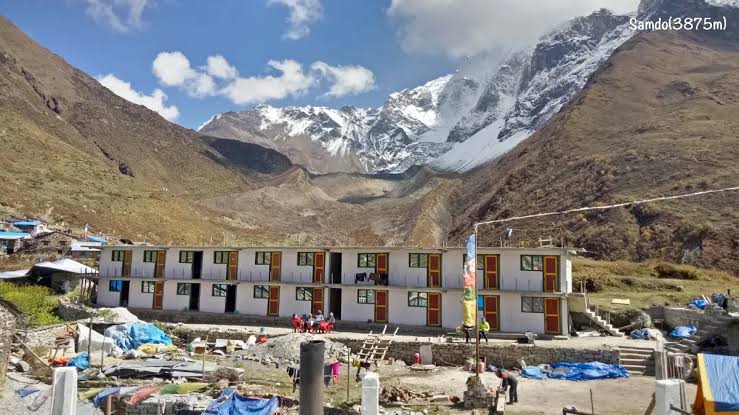
Altitude symptoms can begin above 3,000m. Our itinerary includes rest/acclimatization days in Mu Gompa and Samagaon.Symptoms: headache, nausea, dizziness, shortness of breath.Our guides are trained in AMS prevention and first aid. Immediate descent may be required if symptoms persist.
5. Accommodation
- Tea Houses/Lodges: Basic but comfortable; twin-sharing rooms.
- Limited facilities at higher altitudes.
- Shared toilets and common dining areas.
- Hot showers and charging: Available for extra cost in selected villages.
6. Meals
Included: Breakfast, Lunch & Dinner
- Menu includes dal bhat, fried rice, noodles, pasta, soup, eggs, pancakes, and tea/coffee.
- Vegetarian and vegan options available.
- Pack snacks like energy bars or dried fruits for long hiking days.
7. Transportation
- Kathmandu to Soti Khola: Local bus or private jeep (depending on group size).
- Dharapani to Kathmandu: Local/shared/private jeep via Besisahar.
Roads may be rough; flexibility and patience are key.
8. Group Joining & Departure
If you are looking to join a group, please inform us at least 1 week prior to your preferred departure date.
We organize fixed departures with guaranteed group sizes.Solo travelers are welcome to join existing groups to share costs and experience.
9. Connectivity & Power
- Wi-Fi is limited and often paid at higher altitudes.
- Electricity is available for charging devices in most lodges.
- Bring a power bank or solar charger.
10. Travel Insurance
Mandatory travel insurance must include:
- High-altitude trekking (above 5,000m)
- Medical treatment
- Emergency evacuation by helicopter
Carry a printed copy of your policy with contact numbers.
11. Equipment Checklist
Here’s a basic list of what to pack for the Manaslu & Tsum Valley trek:
Clothing
- Thermal base layers (top & bottom)
- 2–3 trekking shirts (quick dry)
- Fleece jacket or sweater
- Down jacket (warm and packable)
- Waterproof shell jacket and trousers
- Trekking pants (2 pairs)
- Warm hat, sun hat, buff/scarf
- Gloves (inner and insulated outer)
Footwear
- Trekking boots (well broken-in)
- Camp shoes/sandals
- Woolen socks (3–4 pairs)
- Gaiters (optional)
Gear & Accessories
- Backpack (45–60L) with rain cover
- Daypack (20–30L)
- Sleeping bag (-10°C to -15°C)
- Trekking poles
- Headlamp with extra batteries
- Sunglasses with UV protection
- Sunscreen and lip balm (SPF 30+)
- Water bottles or hydration system (2L+)
- Water purification tablets or filter
- Quick-dry towel
- Personal toiletries & medications
- First-aid kit (blister pads, pain relief, etc.)
Optional
- Portable power bank
- Snacks (nuts, chocolate, bars)
- Camera or binoculars
- Journal or book